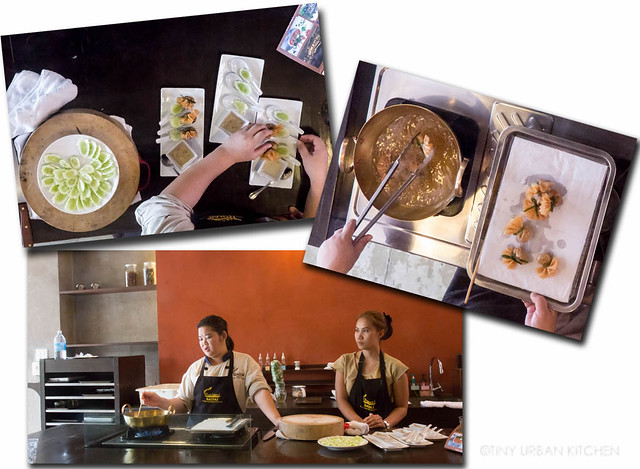
Showing posts with label #epicurious. Show all posts

Monday, May 13, 2013

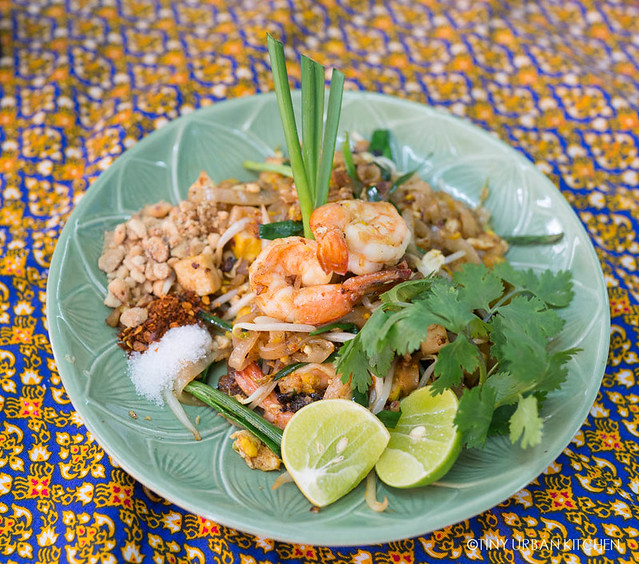
Pad Thai (Phat Thai)

_DSC1354
This is the third of four dishes that I learned to make during my 4-hour cooking class at BaiPai Cooking School in Bangkok, Thailand. I also learned how to make this at my cooking class at Somphong Thai Cooking School. This is a mini-series that's part of a larger Thailand! travel series of my eats in Bangkok. Scroll to the bottom of the post to see other posts in this series.

It was one of the first things I asked during our cooking class in Bangkok.

"Do Thai people eat Pad Thai a lot?"

It's such a common dish here in the U.S. We see it in every Thai restaurant, from the cheap chains to the higher end ones. We even see it in Chinese restaurants sometimes. Do Thai people actually eat this dish? Or is it like the Thai version of "Chinese" crab rangoons, chop suey, and egg foo young?

Without hesitation, our instructor Nok replied, "Absolutely. I love this dish and eat it all the time. We bring it to potlucks, we eat it on the street, we make it at home. It is probably the dish we eat the most."

I learned how to make this dish twice while in Thailand. Both cooking classes offered it as one of the four courses. I also ate it numerous times while I was in Thailand.

I quickly learned that Pad Thai in Thailand is quite different from the Pad Thai in the US. I was surprised how similar the recipes from the two classes were (virtually identical), and how different (and so much better!) these were compared to the Pad Thai I'd eaten in America.
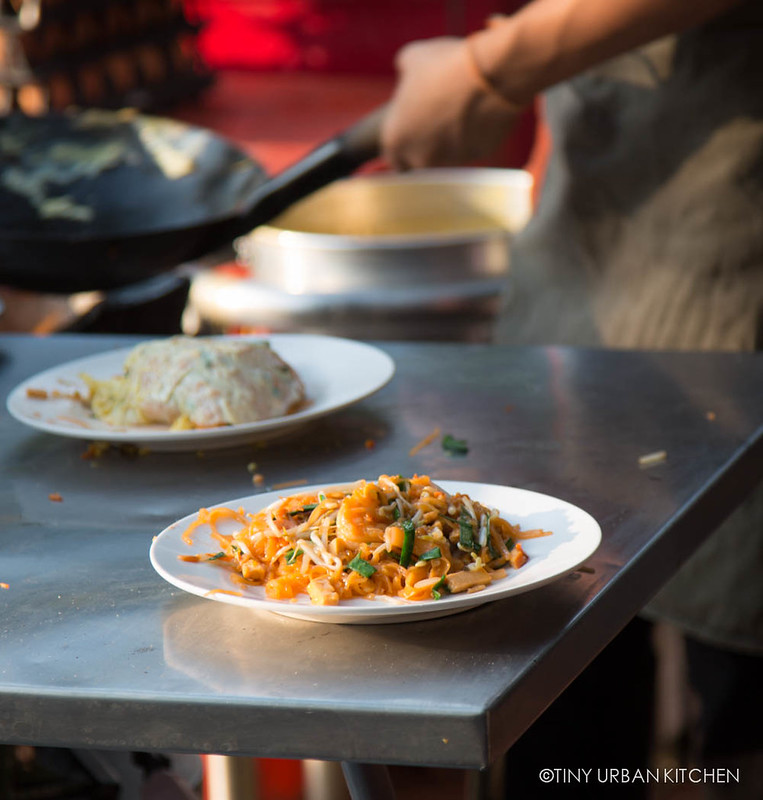
_X1C4314.jpgPad Thai from Thip Samai, arguably one of the best Pad Thai places in Bangkok

There are several ingredients in authentic Bangkok street pad Thai that I don't typically see in my local US Thai restaurant: Chinese chives (or garlic chives), dried tofu (or bean curd), and salted turnips. Tamarind is also an essential ingredient that's used in the sauce base. Many recipes use lime juice or vinegar as a substitute, which really creates an all-together different tasting beast.
_DSC1339
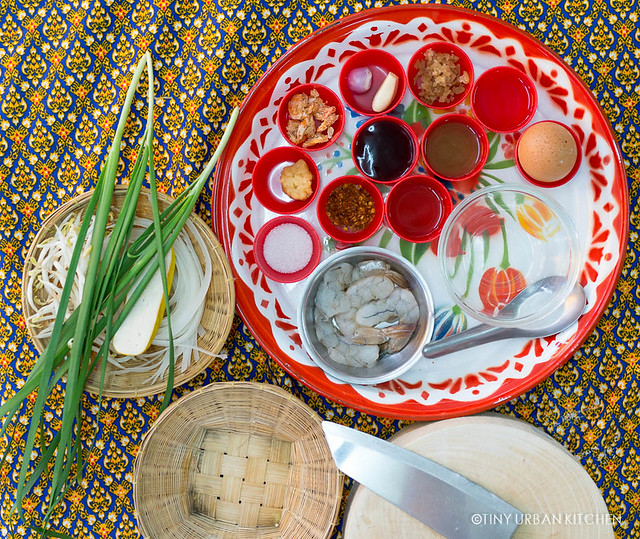
Pad Thai is one of those dishes where it's really important to make sure you have all your mis en place perfectly ready to go. There is a sizable amount of prep, but the actual cooking is fast, and if you're not ready with your ingredients, you could easily mess up the execution.
_X1C4428
Here Koy from Somphong Cooking School demonstrates to a class of interested students just how quick the whole process is.
_DSC1340
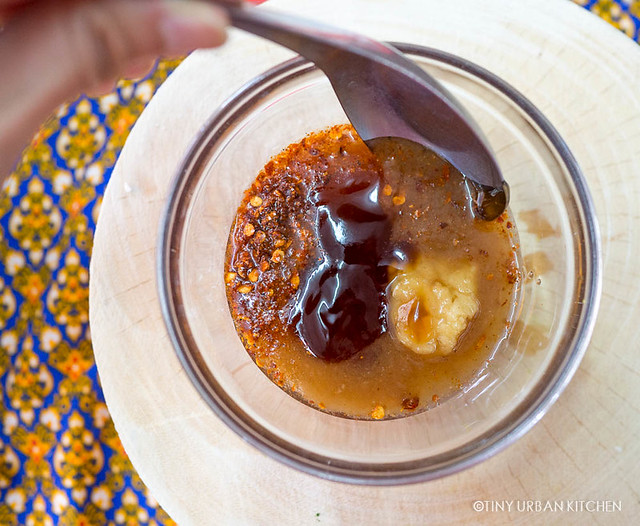
Once you've made sure to chop, dice, de-vein, and soak all necessary ingredients, make your sauce. It's pretty simple - just mix together chili powder, palm sugar, white sugar, fish sauce, tamarind juice (or tamarind paste + vinegar), and (optionally) oyster sauce. I say optionally because oyster sauce was present in one cooking school's recipe but not the other one.

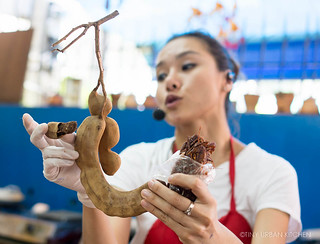
Just a side note about tamarind. Tamarind is a pod-like fruit grown in tropical areas (see left photo below). It's got a very tart flavor and i9s often used in Thai recipes.
_DSC1323_DSC1322
In Thailand, we bought fresh "wet" tamarind from the market (what she's holding in her left hand). Typically, you take this pulp, add it to hot water, and mash it up with your hands (see photo on right). After letting it steep for awhile, you can strain it and use the tamarind juice. I did a bit of searching, and it looks like you can purchase wet tamarind online if you can't find it in your market (though I'm pretty sure I've seen at least tamarind pods at Asian markets).

If you want to take a short cut, you can purchase tamarind paste in a jar. In this case, you can use the paste directly. In our recipe, we "diluted" the paste up with some added vinegar.
PadThai1
Once you're pretty certain you've got everything ready to go, it's time to get started!

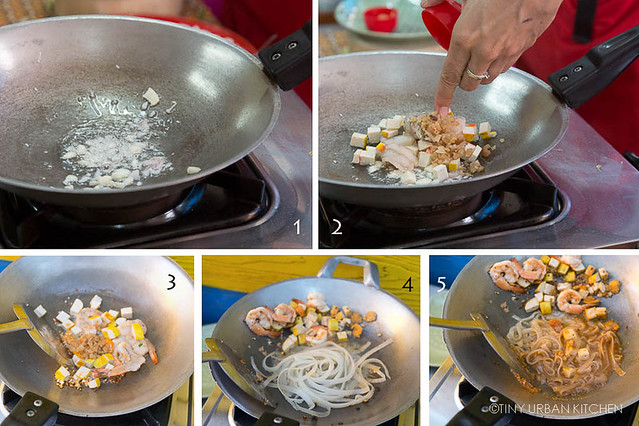
(1) Add the aromatics (garlic, shallots) to your wok and heat until fragrant.

(2) Add the dried bean curd, salted radish, and shrimp and

(3) stir fry until the shrimp is cooked.

(4) Push the shrimp aside (or safer yet, remove the shrimp from the wok), and add the noodles and water (or stock). Stir fry until noodles are soft.

(5) Add the pad Thai sauce that you just made and stir well, allowing the noodles to absorb the liquid.
_DSC1344
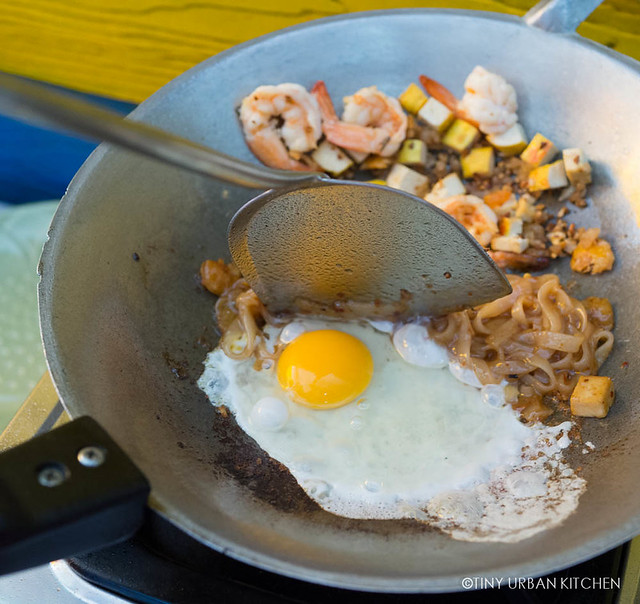
Now push everything aside to make room to fry the egg!

There are two options for what you can do with the egg. You can either break it up like the traditional way and mix it throughout. Or you can make it into a thin omelette with the pad Thai inside. Below I've shown both methods.

Traditional
PadThai2
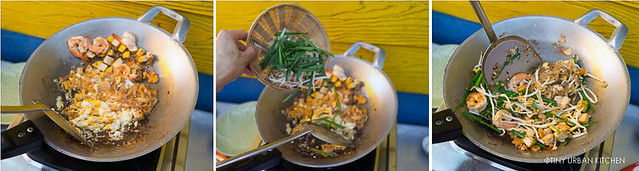
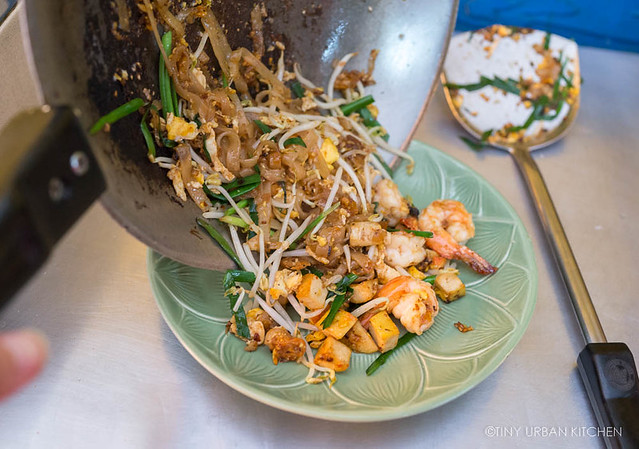
Scramble the eggs inside the wok, breaking up the egg into small pieces. Add the Chinese chives and bean sprouts and stir everything together until cooked.
_DSC1348
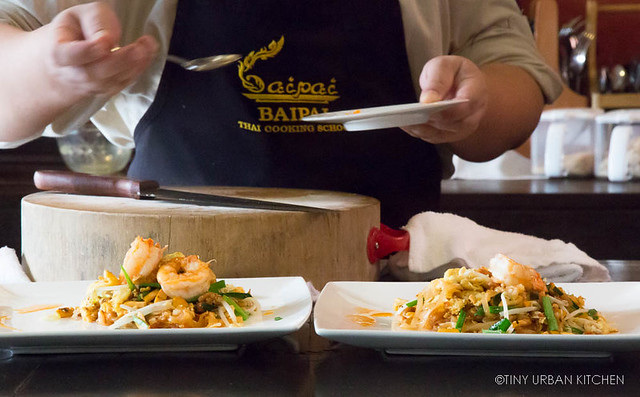
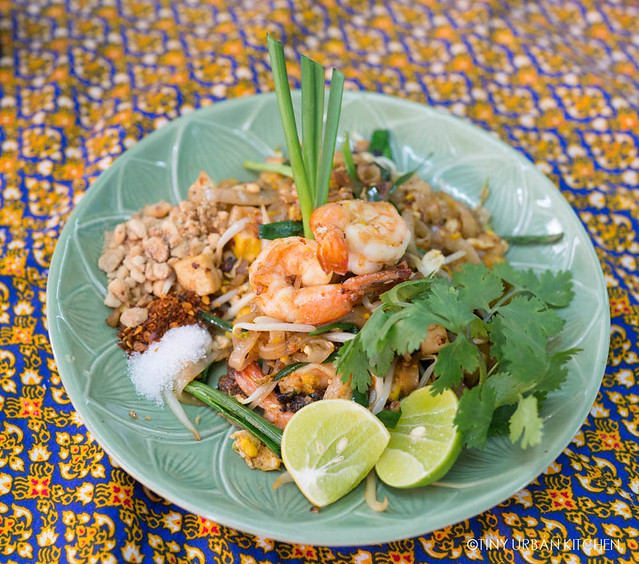
Transfer to a serving dish (yum!).
_DSC1352
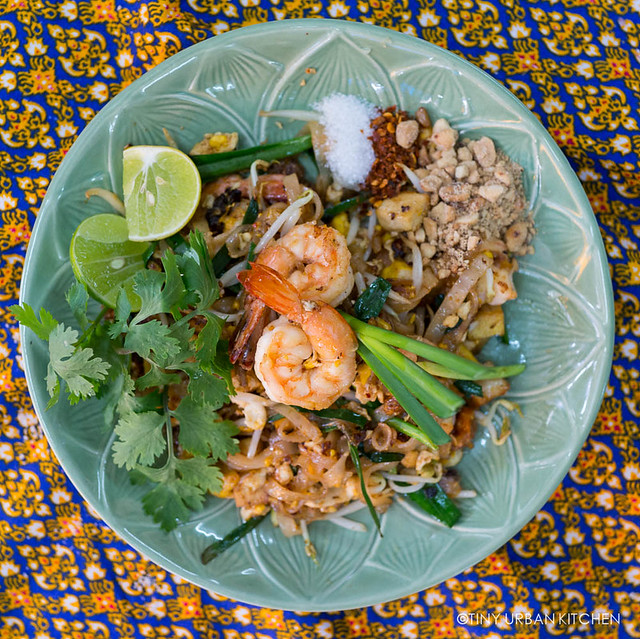
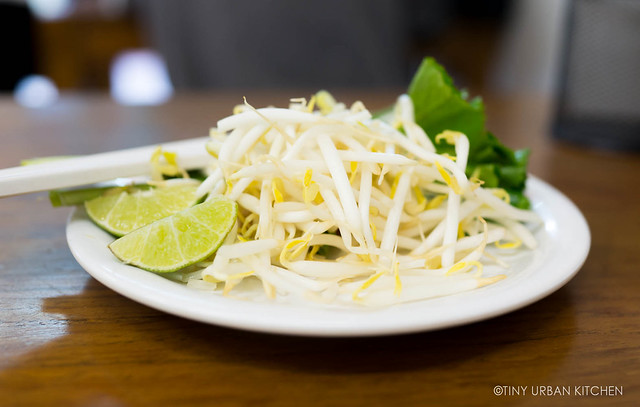
For decorative purposes, place the shrimp on top. Around the plate, add chopped cilantro, lime wedges, and a small spoonful each of sugar, chili powder, and peanuts. These three accompaniments allow diners to choose how sweet, spicy, or "peanuty" they want to make their Pad Thai.

Omelette
_X1C4318.jpg
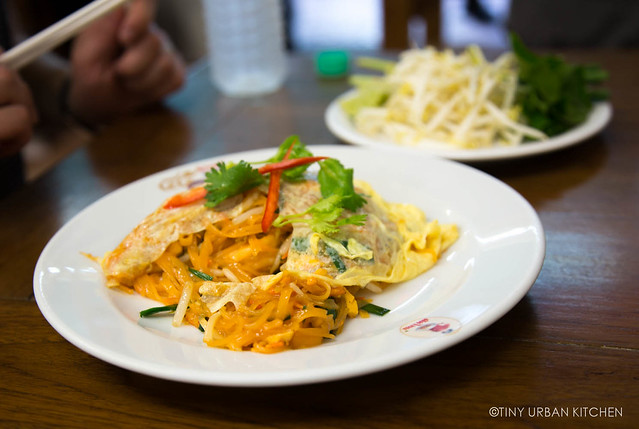
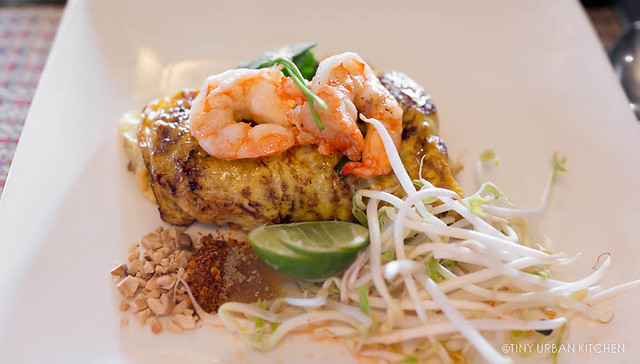
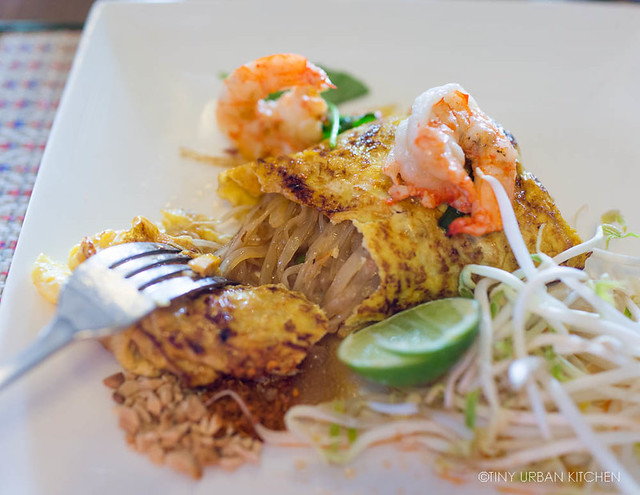
The omelette method takes the egg portion of the Pad Thai and wraps it around the Pad Thai noodles.  This technique takes more skill, since it requires you to make a super thin omelette on the wok and then successfully wrap it around the noodles without it breaking!
_DSC1410
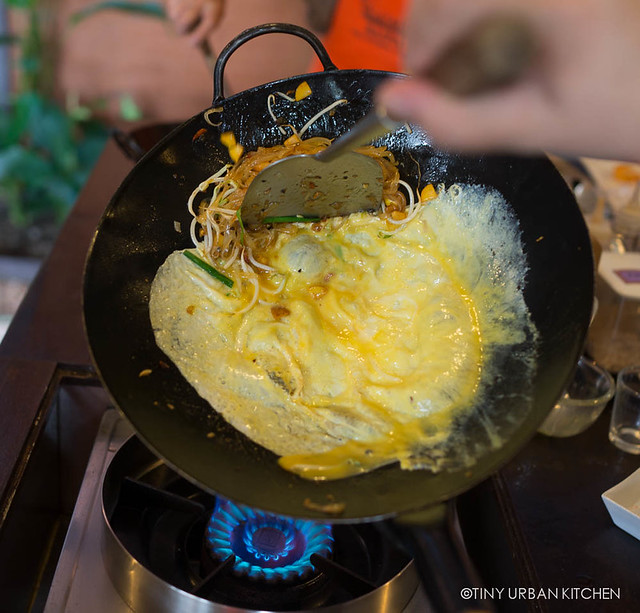
First, you will need to add the Chinese chives and bean sprouts to the noodle mixture and stir fry until cooked. Once the noodles are done, push the cooked noodles to the side of the wok and add one egg (already beaten). Spread it out on the wok as thinly as possible by picking up the wok and turning it, using gravity to spread the egg.
_DSC1411
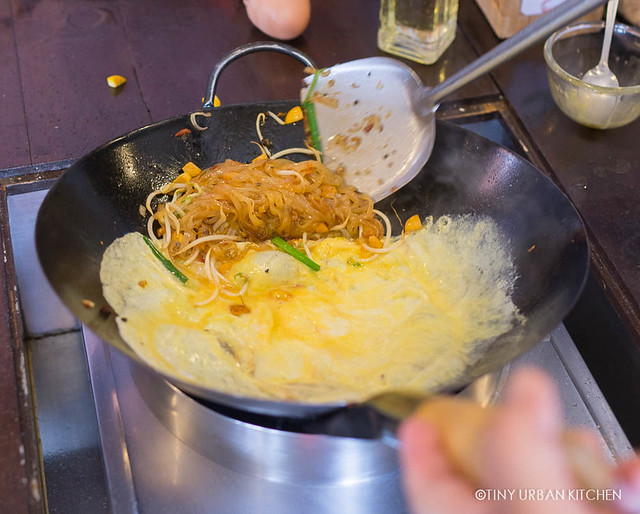
Once the egg is cooked, wrap it around the Pad Thai like a burrito. This is most easily done by rolling the noodle pile (which you have tried to mold into the shape of your final product) back over the egg sheet, and then wrapping the edges around. This obviously takes some skill. If it's your first time making pad Thai, I might recommend trying the normal version first!
_DSC1412
Serve with the same accompaniments (peanuts, chili, sugar, limes), but on the side.
_DSC1415
Yum!
_X1C4482

A few notes
I learned how to make this dish twice from two different cooking schools. Although most aspects of the recipes were very, very similar, there were a few difference that highlight parts of the recipe that are probably flexible.

1. Aromatics: one recipe used just shallots while another one used garlic and shallots. My guess is that either works, and you may even be able to substitute onions or even scallions if you in a bind.

2. Pad Thai Sauce: one recipe included oyster sauce while another did not. Traditionally, tamarind is used to contribute tartness to the recipe. This can come in different forms, such as tamarind juice or tamarind paste. At the first school, tamarind juice was used. At thesecond cooking school, tamarind paste was used, but then vinegar was also added, perhaps to give it some liquid and tartness?

3. Technique: As I mentioned before, this dish moves quickly. Our teacher at Somphong was skilled, and therefore was able to make everything in one pot by just quickly pushing stuff to the edge of the wok. At BaiPai, they recommended removing the shrimp at the beginning of the cooking process and then adding it back in later. For us less experienced cooks, I think that's a good idea because overcooked shrimp does not taste good at all.

4. The Wok: Though both classes used a simple wok to make this dish, some had said that a flat bottom pan is easier because it allows you to push parts of the dish aside without having them fall back into the pan. In Thailand, it seems like the most famous street vendors use a traditional wok, and they always just make the dishes to order. This is not a great dish to make in bulk.

I was thrilled to discover how accessible this dish was. I think the hardest part is obtaining all the authentic ingredients. In Thailand, we were able to get fresh tamarind and fresh rice noodles, which are harder to access in a normal supermarket here in the US.

I think most of these ingredients are available in Asian supermarkets, so I'm really excited to try making this soon at home in the US. I'll let you know how it goes!
_DSC1236.jpg

Pad Thai
serves 1

Ingredients
1 T cooking oil
1/2 T minced garlic
1/2 T minced shallots
4-6 shrimp, shelled and deveined
1 T salted Chinese radish, chopped
1 T dried shrimp
1 T dried bean curd, cut into cubes

1 cup rice noodles (if using dried, soak in hot water first until soft)
1 T water
Pad Thai Sauce (see below)
1 egg

1/2 cup Chinese chives (cut into 2 cm strips)
1/2 cup bean sprouts

Accompaniments
2 T roasted peanuts, crushed
1 bunch of cilantro, chopped
1 lime, cut into wedges
1 tsp chili powder
1tsp sugar

Pad Thai Sauce
1 tsp chili powder
1/2 T white sugar
1/2 T palm sugar
1 T fish sauce
1 T tamarind juice or [4 tsp tamarind paste + 1 tsp vinegar]
1 T oyster sauce (optional)

If the rice noodles are dry, soak them in hot water for about 20 minutes until soft. Meanwhile, prepare the Pad Thai sauce by mixing together all of the ingredients in a small cup. Set aside.

In a wok over medium heat, cook garlic and shallots until fragrant, about 2-3 minutes. Add the shrimp, salted Chinese radish, dried shrimp and dried bean curd. Stir fry until prawns are cooked.

Add the noodles and the water and cook until the noodles are soft.

Ad the Pad Thai sauce and mix well. Cook until the sauce is no longer liquidy.

Push the noodles to one side and add an egg.

Traditional Method: if you want to mix the egg up, scramble the egg and cook it. Once it's done, add the bean sprouts and Chinese chives. Stir everything together until cooked.

Transfer to a serving dish, and garnish with accompaniments such as cut lime wedges, sugar, chili powder, crushed peanuts, and cilantro.

Serve!
_DSC1354
This is the fiftheenth post in the Thailand! travel series of my eats in Bangkok. Other posts include:

Eats!
Thip Samai, Best Pad Thai in Bangkok?
Raan Jay Fai, Best Drunken Noodle in Bangkok
Street Foods of Bangkok, Part I
Street Foods of Bangkok, Part II
Fun Fruits in Thailand 

Cool Experiences
Maeklong Railway Market
Floating Markets (Damnoen Saduak)

Cooking Classes + Recipes
Somphong Thai Cooking School 
Som Tam (Papaya Salad)
Thai Panaeng Curry Chicken
Bananas In Golden Syrup
BaiPai Thai Cooking School
Golden Bags
Larb Gail (Laap Gai)

Thursday, May 9, 2013

Golden Bags

_DSC1398.jpg
This is the first of four dishes that I learned to make during my 4-hour cooking class at BaiPai Cooking School in Bangkok, Thailand. This is the thirteenth post in the Thailand! travel series of my eats in Bangkok. Scroll to the bottom of the post to see other posts in this series.

In my way-too-short five days in Bangkok, I packed in two cooking classes over two days where I learned how to make seven different Thai dishes.
GoldenBagsAbove.jpg
Having very little exposure to Thai food before I traveled there, every new dish was a new adventure. I loved learning about the street food, fresh market produce, and dishes from various regions around Thailand. The cooking classes were great because they got me familiar with Thai ingredients and how to cook them.

Unfortunately, it's harder to get some of these ingredients halfway around the world. There are certainly some dishes that just won't be the same if I try to remake them here in the US.
_DSC1393.jpg
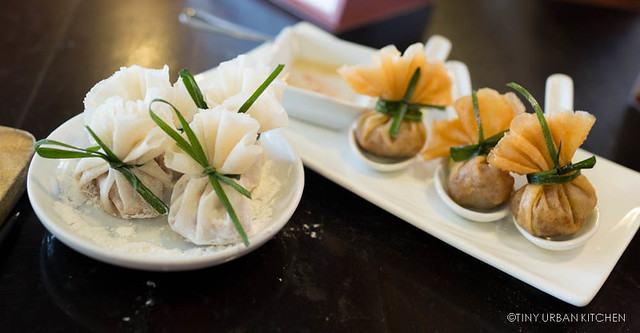
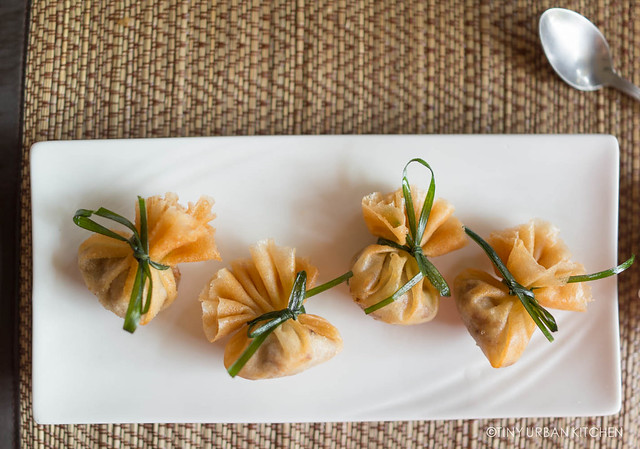
However, other dishes will translate quite well across the ocean, and I think these deliciously cute little Golden Money Bags are definitely one of them. This particular appetizer relies a lot less on the distinct flavors of Thailand-specific ingredients. It's actually quite flexible, and therefore I think it can stand up to a lot of substitutions.

Better yet, they impressive to look at yet surprisingly really easy to make. I was floored how perfectly my little bags turned out, even though it was my first time ever making them!
GoldenBagsFilling.jpg
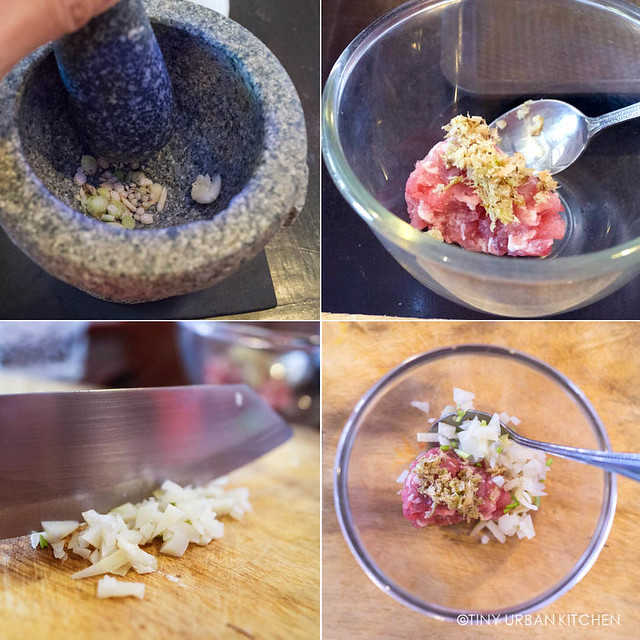
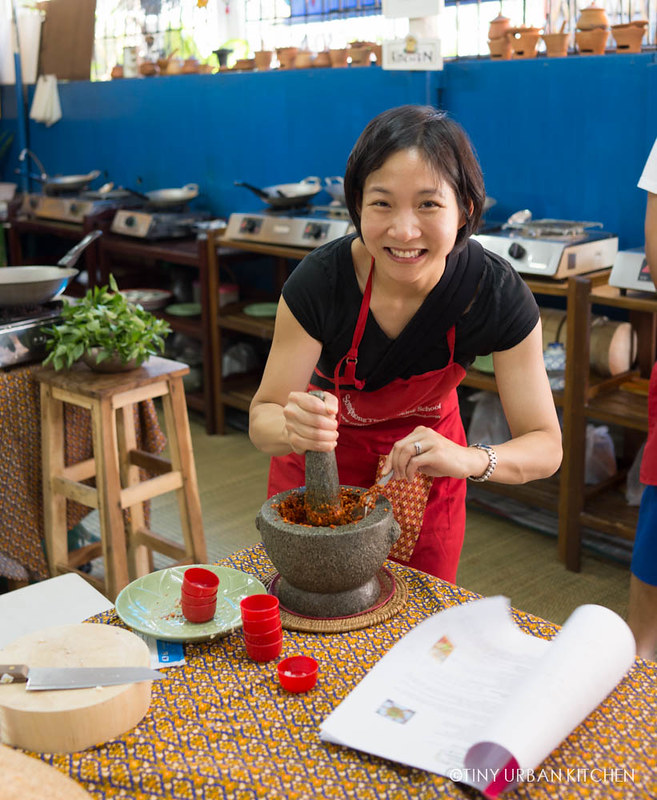
Grind the white peppercorns, garlic, and cilantro root together to form a paste. We used the traditional Thai mortar & pestle, but you could just as easily use a mini food processor. If you don't have cilantro root, you can substitute with the leaves and stems. Add this to the ground pork, cilantro, chopped water chestnuts, onions, sugar, and soy sauce. Mix it up!
GoldenBags.jpg
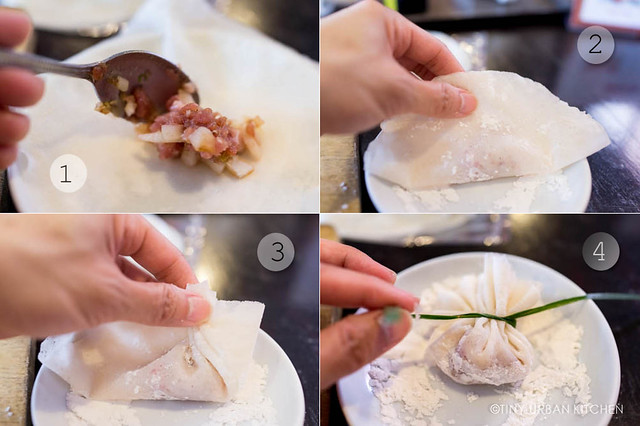
In Thailand you can easily buy fresh wrappers in the market. In the US, you will likely have to go to an Asian market (probably the frozen section) in order to get these spring roll wrappers. Let the wrappers defrost in the refrigerator, and then just make sure to keep them moist (e.g., store the wrappers under a wet paper towel while wrapping so they don't try out).
Wrap according to the steps shown above.
_DSC1390.jpg
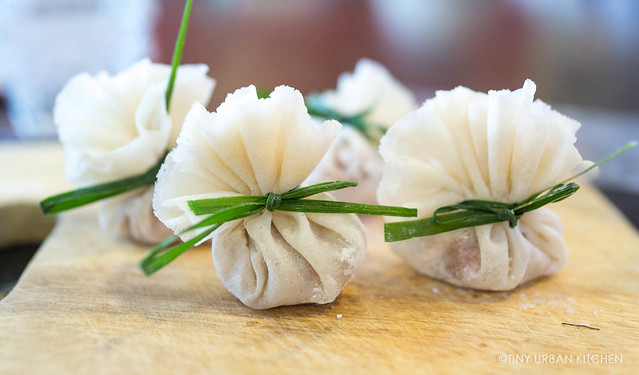
Tie up the golden bags using your green strips of Pandanus leaves. Use Chinese chives or scallions as a substitute. It is good to parboil your leaves before using them in this recipe. It makes them more flexible and prevents them from breaking when you try to tie them into a bow.
_X1C4472.jpg
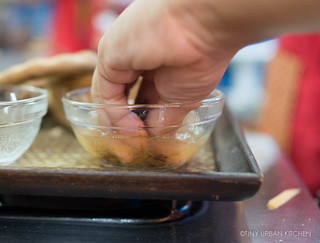
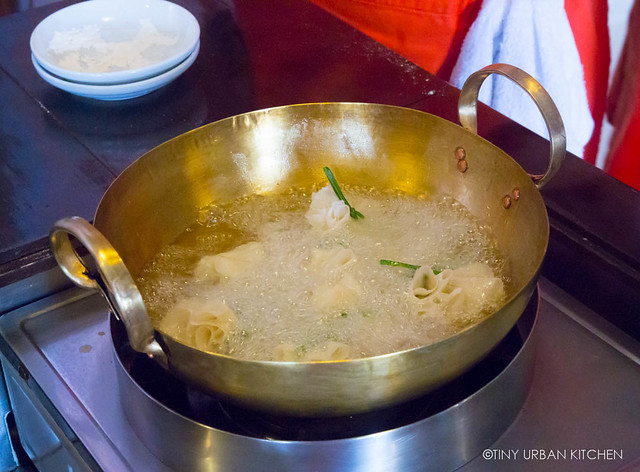
Heat up about 2 cups of oil to ~180 °C (~356 °F). One way to check whether the oil is hot enough for frying is the "chopstick test." Stick a wooden chopstick into the oil. If tiny bubbles form around the oil, it means the oil is ready.
_DSC1395.jpg
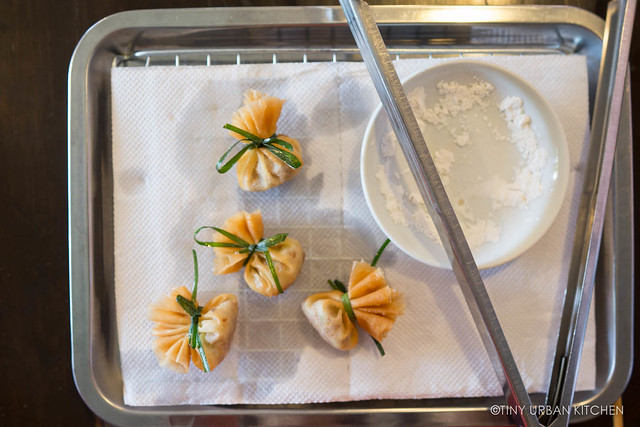
Fry until golden brown (3-5 minutes?) and then remove to let cool. Ideally, place them on paper towels to cool a bit so some of the oil can drain off.
_DSC1392.jpg
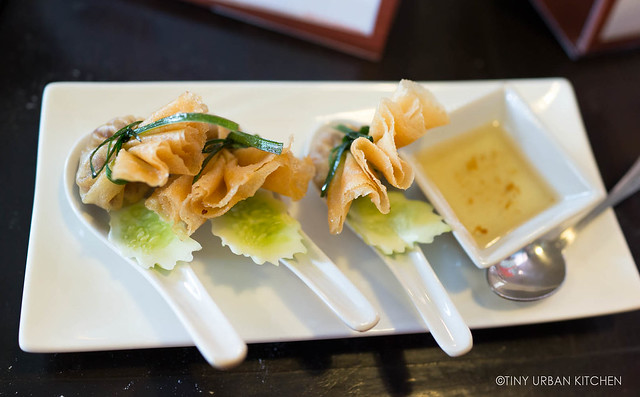
Because the bags are deep fried, it's nice to balance them out with something light and crisp, such as sliced raw cucumbers.

Serve with a sweet and sour plum sauce. Unfortunately, I don't have a recipe for the plum sauce. They just served it to us at the school.

Enjoy!

Golden Bags
makes 4 bags

Filling
20g minced pork
5 white peppercorns
1 clove of garlic, finely chopped
1/4 tsp finely chopped cilantro root
1-2 stalks cilantro, chopped
5g water chestnuts, chopped
5g onions, chopped
2 cups oil (for deep frying)
1/4 tsp sugar
1/2 tsp soy sauce

Bags
4 spring rolls wrappers
1 Pandanus leaf, pulled into strips and parboiled
(note, if not available, can use scallions or Chinese chives, which don't need to be pulled into strips)

Grind the white peppercorns, garlic, and cilantro root together to form a paste (mortar & pestle or food processor). Combine with ground pork, cilantro, water chestnut, onions, sugar, and soy sauce. Mix well.

Wrap a spring roll wrapper around about 1 tsp filling and tie together with the Pandanus leaf.

Deep fry at 180 °C until golden brown.

Serve!

This is the thirteenth post in the Thailand! travel series of my eats in Bangkok. Other posts include Thip Samai, Best Pad Thai in Bangkok? and Raan Jay Fai, Best Drunken Noodle in Bangkok, Maeklong Railway Market, Floating Markets (Damnoen Saduak), Street Foods of Bangkok, Part I, and Street Foods of Bangkok, Part II, and Fun Fruits in Thailand plus posts about recipes from my cooking class at Somphong Thai Cooking School including Som Tam (Papaya Salad), Thai Panaeng Curry Chicken, Bananas In Golden Syrup, and BaiPai Thai Cooking School.

Wednesday, April 24, 2013

Somphong Thai Cooking School

_DSC1301.jpg
After a brief break from this series, we return to Thailand! This is the eighth post in the Thailand! travel series of my eats in Bangkok. Other posts include Thip Samai, Best Pad Thai in Bangkok? and Raan Jay Fai, Best Drunken Noodle in Bangkok, Maeklong Railway Market, Floating Markets (Damnoen Saduak), Street Foods of Bangkok, Part I, and Street Foods of Bangkok, Part II, and Fun Fruits in Thailand!

Thailand is an awesome place to take a cooking class. The availability of produce in this country is insane, truly creating a playground for the senses.  It is a very foreigner friendly country - there are tons of classes taught in English. Plus, prices are very reasonable and you get to cook and eat a ton of fantastic food.

I swear, some of the best dishes I tasted in Thailand were in my cooking classes.

I went to two cooking schools while I was in Thailand. I had time during the day while Bryan was at his conference, and I was curious to compare how two different schools taught Thai cooking.

I initially decided on Somphong Cooking School because it had excellent reviews, was close to my hotel, and offered to teach dishes I really wanted to learn.

It turned out to be a fantastic experience and totally, totally worth the $30 USD I paid for the class.
_X1C4389.jpg
Somphong Cooking School is very centrally located in the Silom neighborhood of Bangkok right off the BTS Skytrain stop Chong Nongsi. It's located at the end of a very narrow alleyway.
_X1C4359.jpg
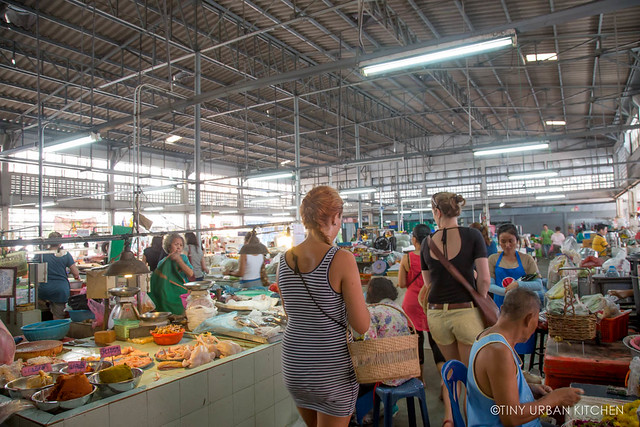
The first thing we did was head out to a local market where we got to see all kinds of fresh meat, fruits, vegetables, herbs, and spices.
_X1C4363.jpg
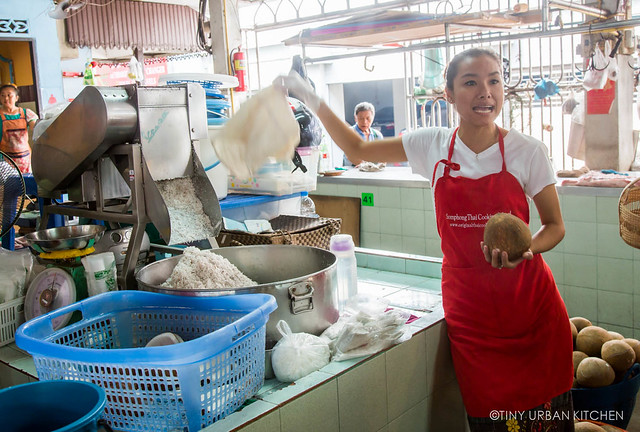
It's at this market that our instructor Koy taught us all about local Thai ingredients, such as how coconut milk and cream are made (above), how to identify various types of herbs, and how to use these herbs in Thai cooking. I'll focus more on those ingredients in the upcoming posts when I talk about the individual recipes that incorporate these ingredients.
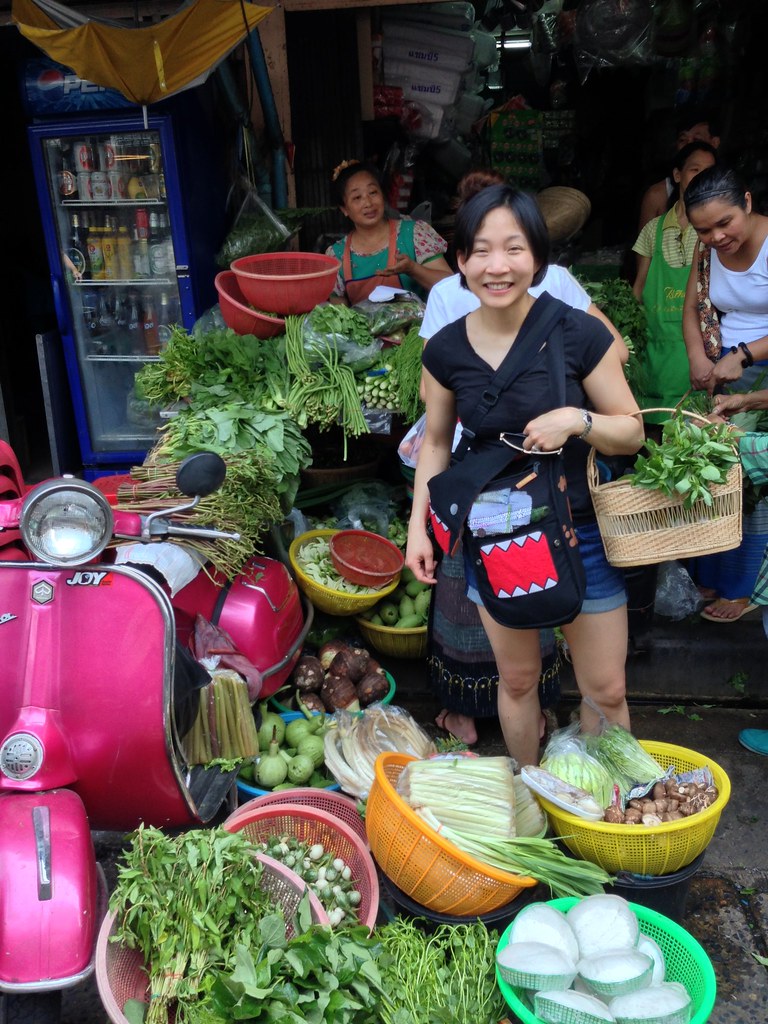
Thai market
Isn't the produce just enviably gorgeous? Never in Boston would I ever have such a unique variety and abundance of fresh vegetables.
_X1C4428.jpg
After the educational market trip, we all walked back into the open-air cooking school, where Koy began to teach us how to make all sorts of dishes.

Here are the dishes we learned to make, all to be described in much more detail (including recipes!) in upcoming posts!
_DSC1298.jpg
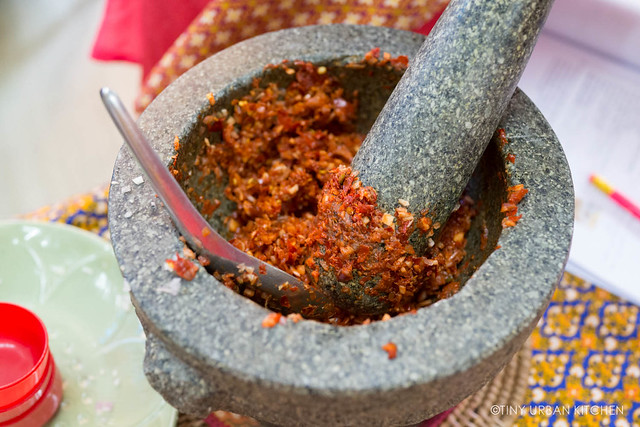
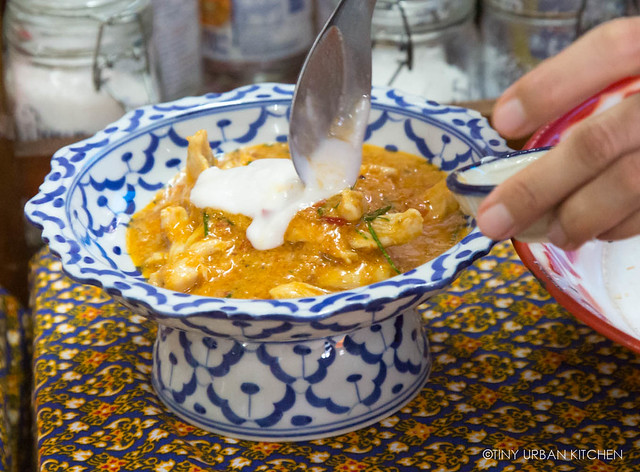
We learned how to make Panaeng style red curry from scratch. A plethora of spices, fresh herbs, and aromatics are painstakingly ground up in a mortar and pestle.
_X1C4399.jpg
We used the fruits of our labor to make a delicious curry chicken dish.
_DSC1332.jpg
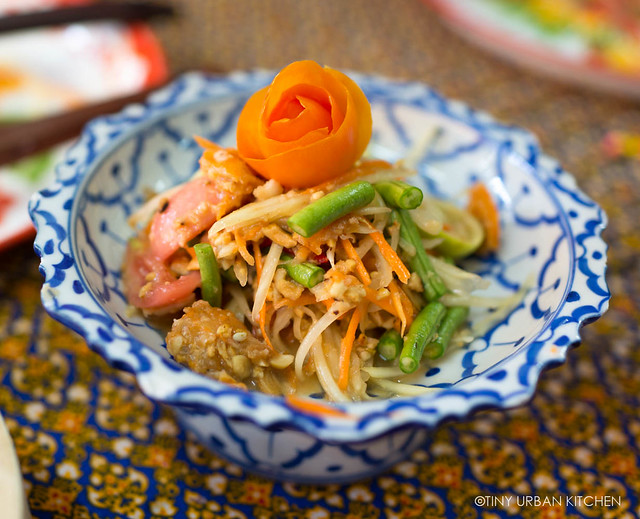
We pounded out northeasternThai style Som Tam Thai, or Papaya Salad, the traditional way (yup, with yet another mortar and pestle). We also learned how to make tomato "roses" for garnish.
_DSC1354.jpg
We learned the many complex steps to making a really good Pad Thai. I was surprised how different the ingredients were compared to what I typically see (and taste!) in the States.
_DSC1355.jpg
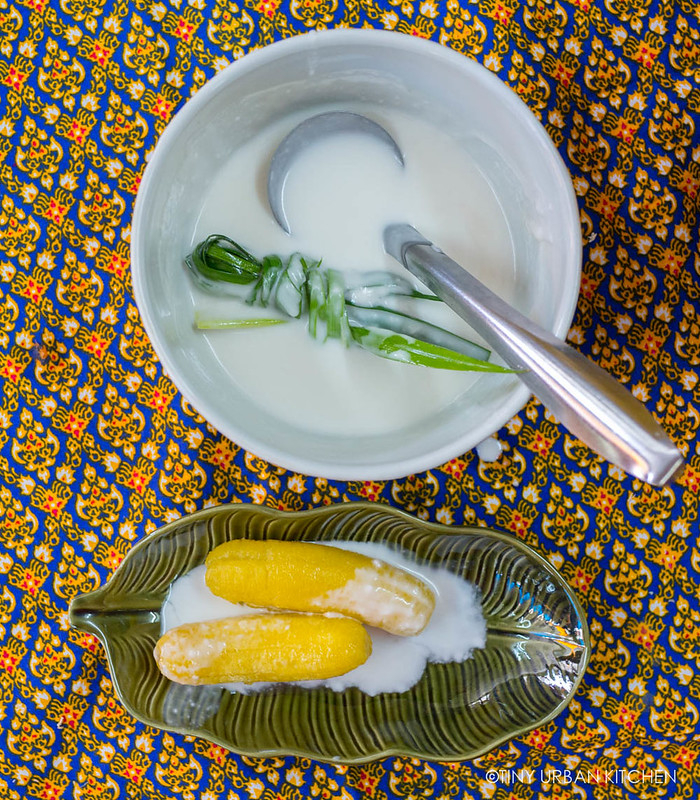
For dessert, we made golden bananas in a pandan coconut milk syrup, which was surprisingly delicious. I typically don't like bananas, but I loved the balance of sweet and salty in this fragrant dessert.
_X1C4437.jpg
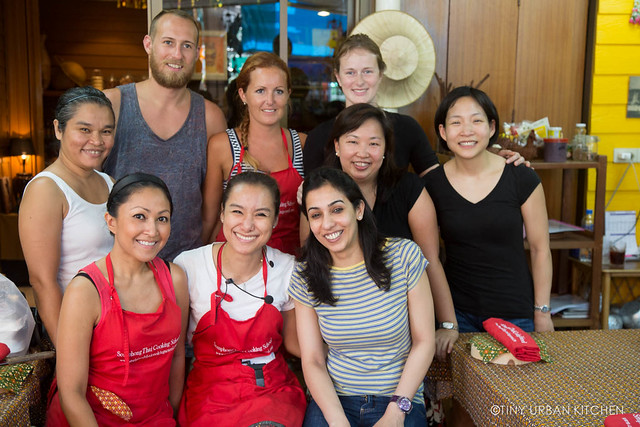
I had a ton of fun at this class and I learned so much. My class was super diverse, and it was fun to meet people from all over the world. In my class alone, we had two people from Bangkok, one from France, one from Belgium, a couple from New Zealand, a woman from Hong Kong (who was originally from Malaysia), a woman from India, and me, the lone American!

It was fun to exchange stories and learn about each others' cultures, all while prepping and cooking food from Thailand, yet another new culture for most of us. We had so much fun together, we were friends by the end of the class, sitting and chatting away.
_X1C4434.jpg
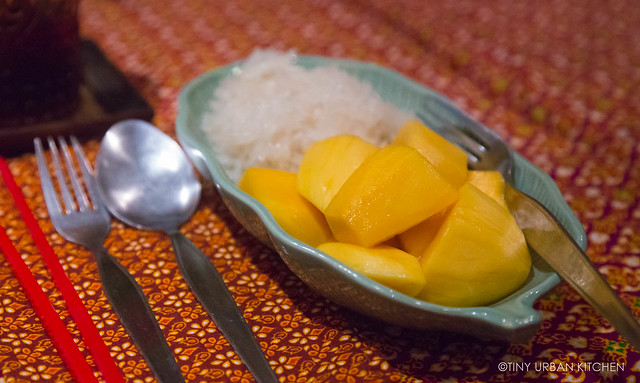
Bonus! They gave us mango sticky rice at the end of our meal

I would highly recommend the classes at Somphong Thai Cooking School. The prices are really reasonable for the quality of instruction and food that you get. My 4 hour class, which included cooking and eating 4 dishes, only cost about $30 USD (1000 Baht).  The class is really well run, and I felt like we had ample opportunities to do lots of hands-on cooking.  They even gave us take-out containers and a bonus dessert (yay, mango sticky rice!) to take home with us.

Stay tuned for recipes (and more photos, of course)!

Monday, March 18, 2013

é by José Andrés

Jaleo
This is the last post in the Winter in Las Vegas series. Other posts in this series include Le Cirque and Julian Serrano.

Deep inside Jaleo, José Andrés's well-known and popular Spanish tapas restaurant, lies another almost hidden, restaurant-within-a-restaurant called simply "é." é is one of José Andrés's gastronomical "playgrounds" where he delights diners with various tastes, smells, and sights through the use of molecular gastronomy, among many other techniques.

é joins the ranks of José Andrés's other two "flagship" restaurants that serve related exploratory-type tasting meals: minibar in DC and Saam in Los Angeles. Unlike minibar, which draws from numerous different cuisines and pushes the envelope on using new, modern techniques, é is decidedly more Spanish, applying new cooking techniques to age-old Spanish ingredients and dishes.

With only eight seats and two seatings a night, reservations at this tiny little bar are infamously difficult to get. There's no online book system or phone number to call. Instead, all reservations are simply done via email.
Golden Ticket e by Jose Andres
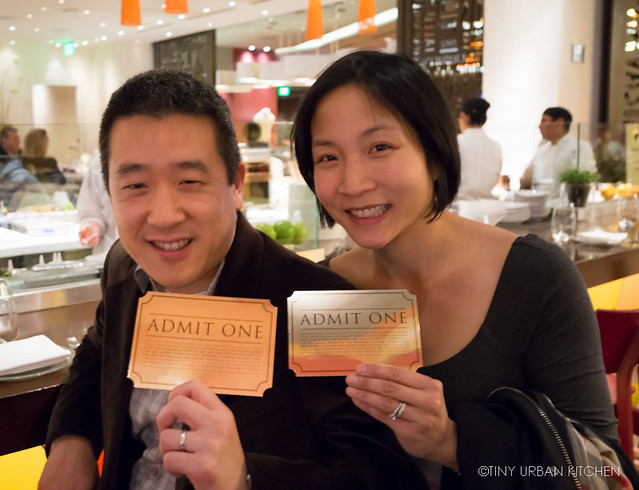
If you're lucky enough to get a confirmed reservation, you actually get an email that begins with "Congratulations, you've made it!" To make it feel extra special, "golden tickets" for the "show" arrive in the mail a few days later.
Jaleo
They urge you to arrive early. After all, it's a tightly orchestrated "performance" that aims to bring you through a journey of 23 individual tastes in a little over two hours. There are two seatings a night - one at 5:30 and one at 8:30. There's no room for error. They must finish the first show by around 8:15PM.

Because we arrive early (as they requested), they bring us to the bar at Jaleo to relax for a few minutes while they finish setting up.

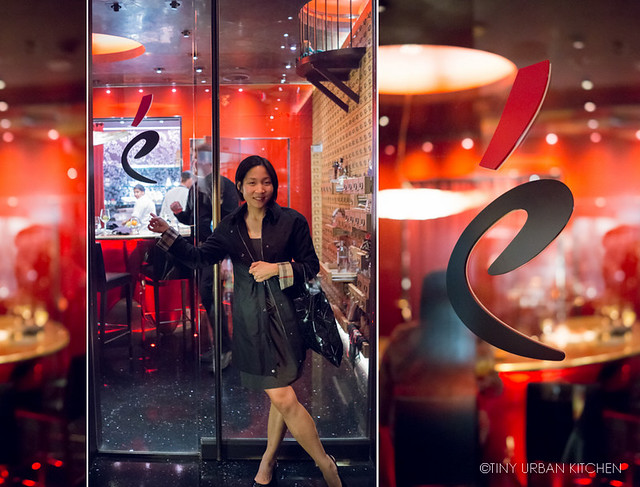
A little after 5:30, we are whisked away to the deep interior of the restaurant, where we find another glass door.
JoseAndresEntrance
Welcome to the show. Your journey is about to begin.
_DSC0486
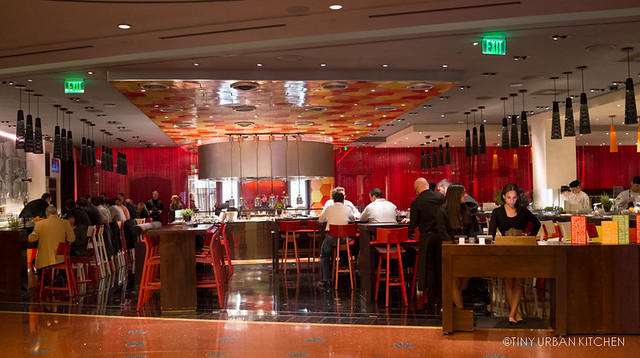
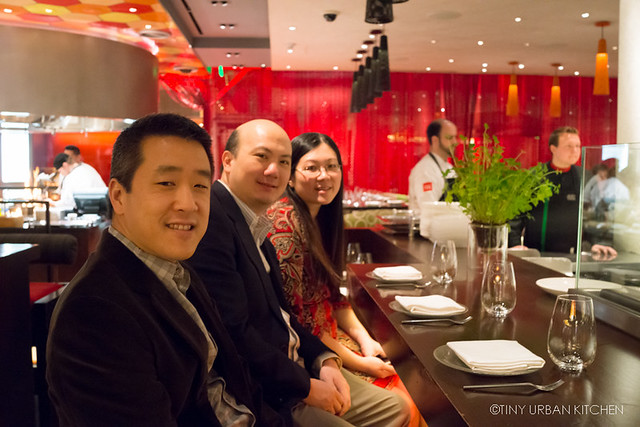
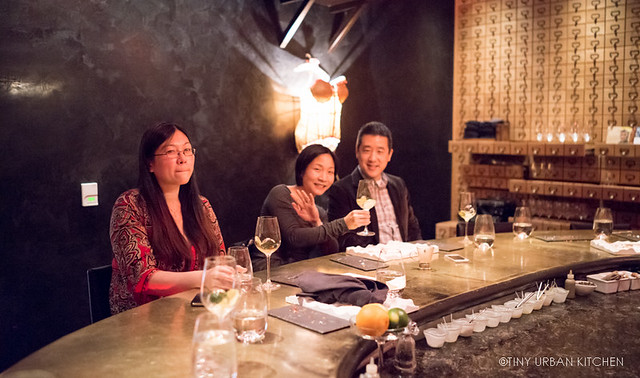
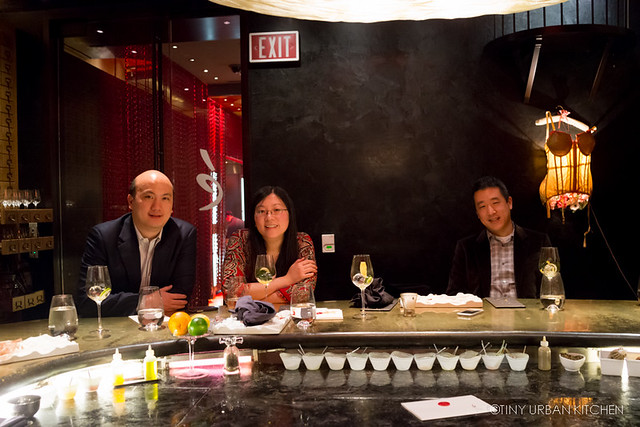
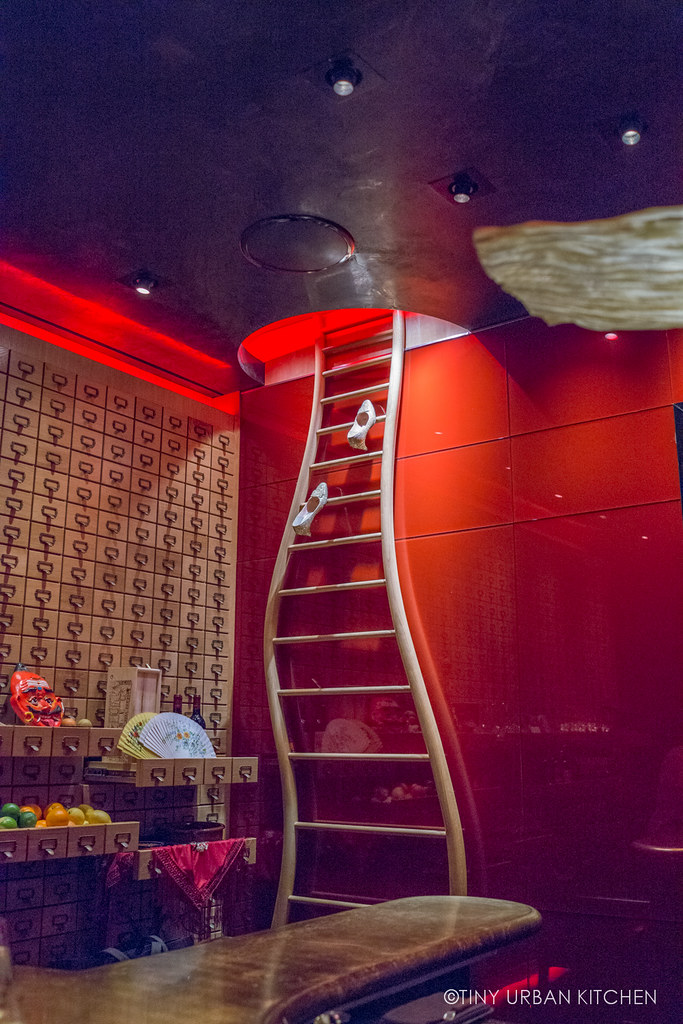
The seating at é is quite intimate. Eights seats wrap around a semi-circular bar, where every single diner gets up-front and personal front row seats facing the kitchen. Rows of old-school card catalogs line a wall, and whimsical art and odd knick knacks decorate the walls and shelves.
_DSC0395
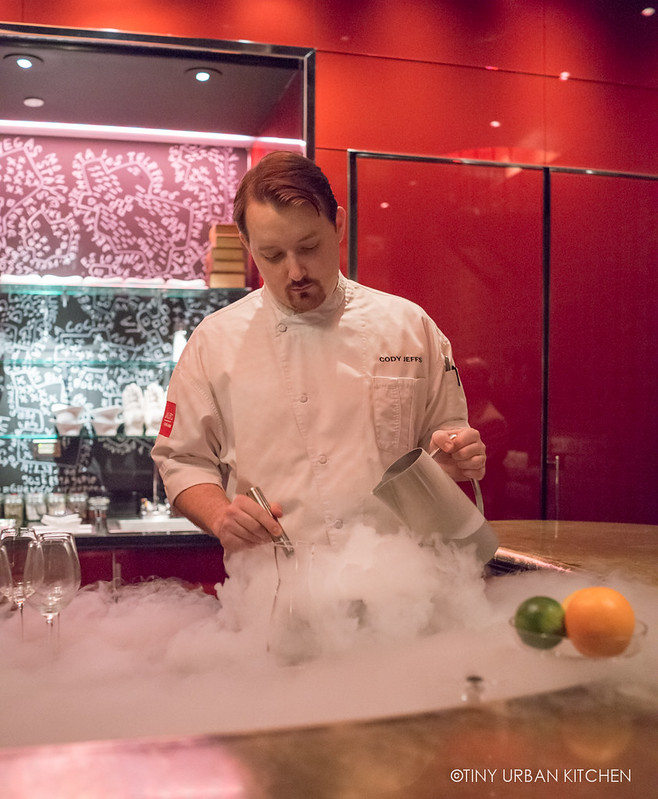
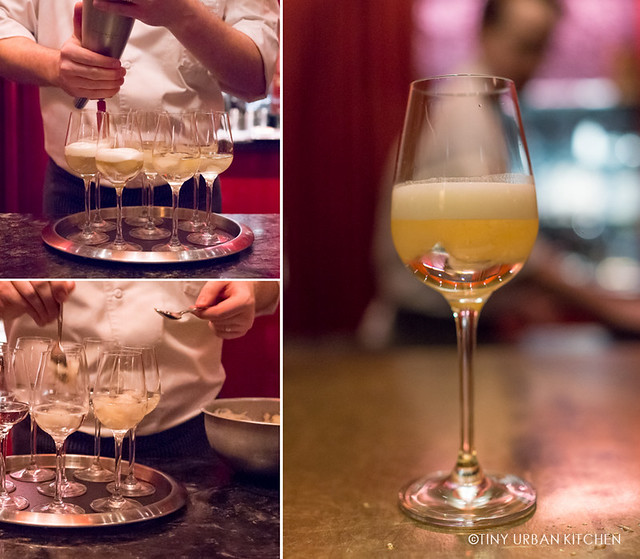
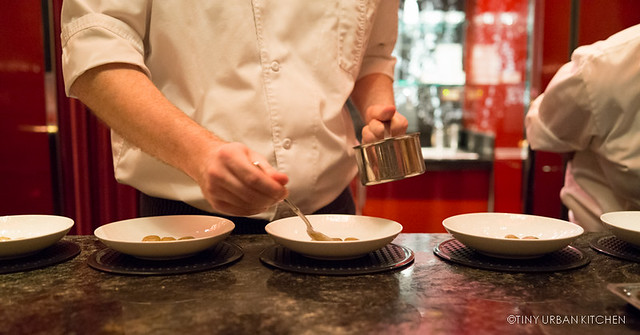
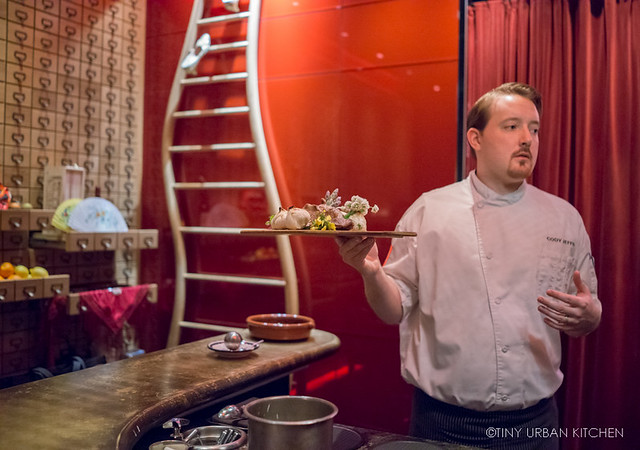
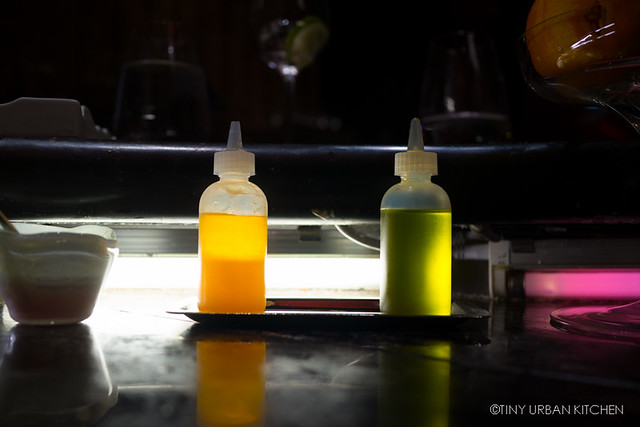
Sous chef Cody Jeffs kicks off the show with a dramatic flair, pouring liquid nitrogen into a flask full of orange blossom water. A pool of smoke arises, spilling all over the table.
JoseAndresDrink
This liquid nitrogen-chilled water is mixed with Mazanilla sherry to create our first "course", a Rebujito Cocktail which is absolutely refreshing and delicious.
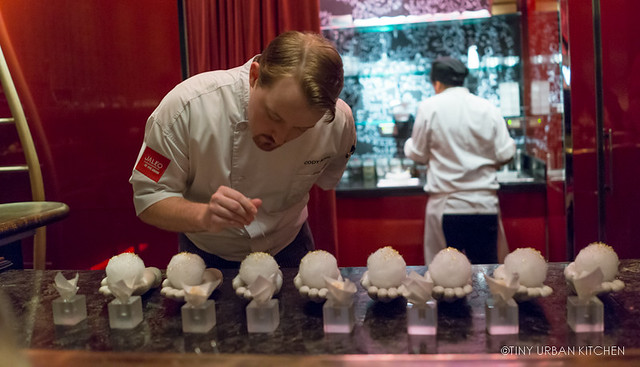
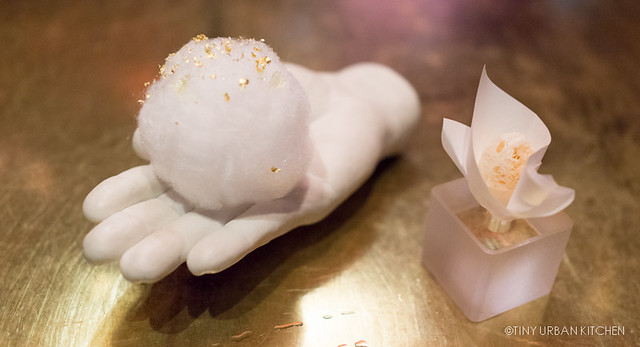
Truffle Cotton Candy Chef Cody and another sous chef soon lay out eight molds in the shape of José Andrés's hands. TruffleCottonCandyTruffle Cotton Candy
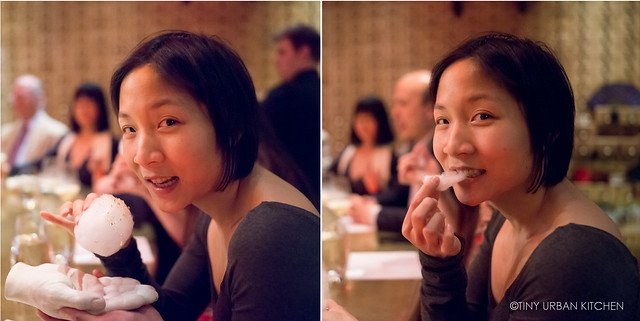
They gently lay out whimsical balls of Truffle Cotton Candy, our second course, each topped with edible gold flakes. This is paired alongside Idiazabal "Macaron", an tense, cheesy cookie that pairs beautifully with the cottom candy.

It's as if José Andrés is personally serving us all cotton candy.

I sincerely love both. The truffle cotton candy is intoxicating with strong truffle flavor, and the salty, intensely cheesy "macarons" are a perfect match.
_DSC0405
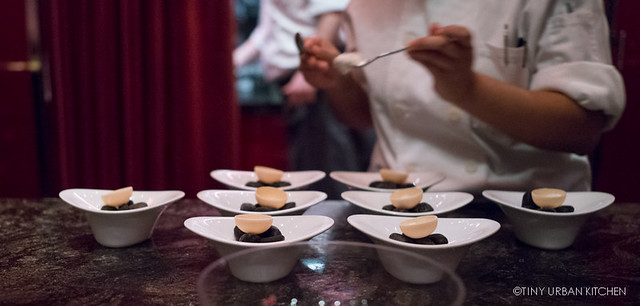
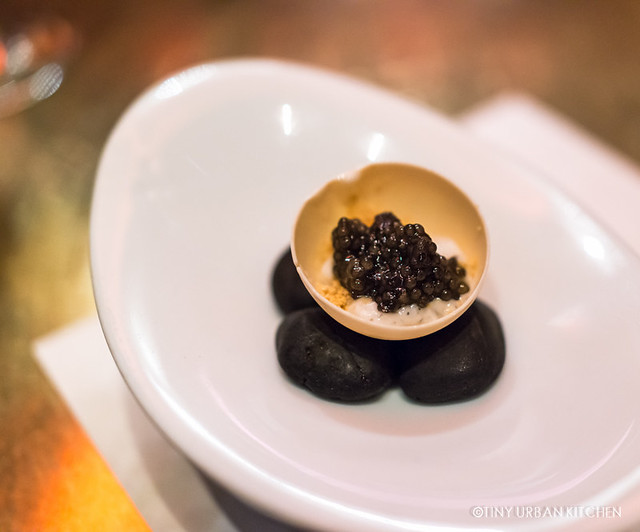
Next, the chefs begin laying out perfectly formed hemispheres that look just like egg shells, have the consistency of chocolate, and taste like almonds.
Caviar
These cold shells, presumably made with the use of liquid nitrogen (?) are called Nitro Almond Cups, and are filled with various almond flavored elements (such as foam) as well as a generous portion of caviar. The champagne with which this course is paired nicely bring out the nuttiness of the almonds.
_DSC0408
The next course, called Apple "Brazo de Gitano", reminds me of a similar course I had at Samm in Los Angeles. Airy, almost like styrofoam, this savory bite beautifully pairs together the flavors of apple and a strong blue cheese.
_DSC0410
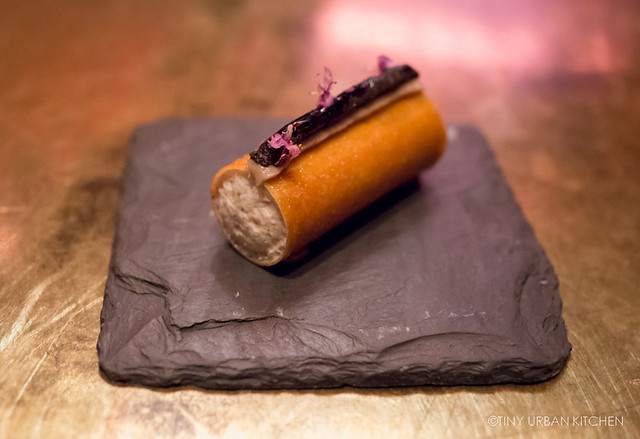
Next we enjoy another bite that looks like it should be sweet, but is actually savory. Barquillo is a traditional Spanish rolled wafer cookie.
_DSC0413
Here, the barquillos contain a rich and savory truffle and anchovy filling that has the consistency of whipped cream. The flavors are absolutely fantastic, and our one little bite leaves me wishing for more._DSC0414
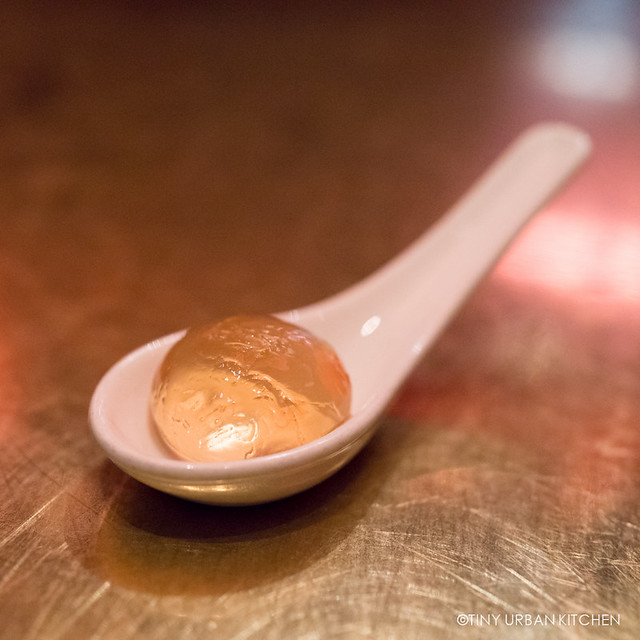
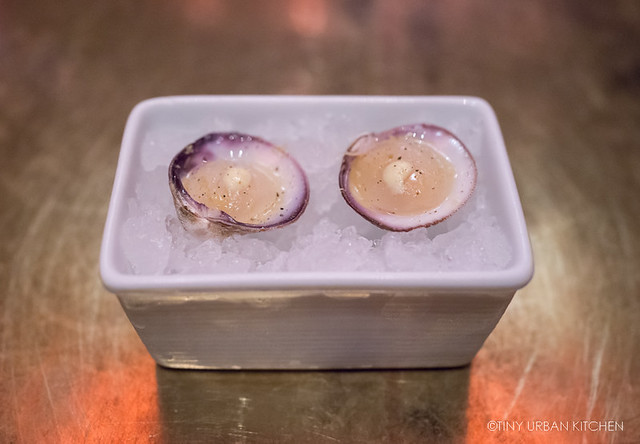
The playful name "Almejas al Natural" literally means "natural clams", though in fact it's anything but.  These unassuming "clams" are actually filled with spherified balls of reconstituted clam juice. The resulting bite is gorgeously flavorful with intense clam flavors, and pairs well with the sherry with which it is paired.
Bahn mi
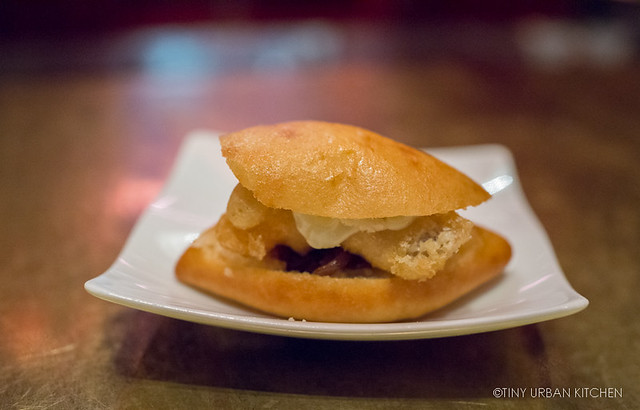
The next course, Bocata de Bacalao, again reminds me of Chef Andres's "Bahn Mi" that I had at Samm. Although the fried bread is similar from both places, this é version is more Spanish, made from salt cod, aioli, and caramelize onions. It's deeply savory and quite rich.
Chicken skin & oyster
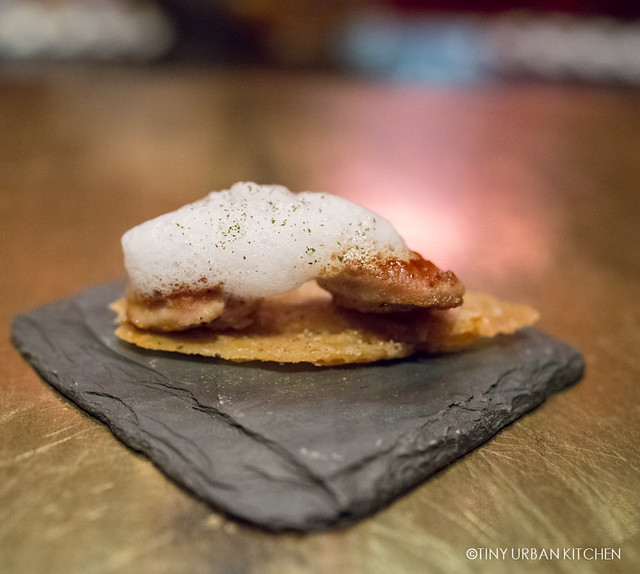
Crispy Chicken Skin in Escabeche consists of a paper thin, flattened crispy chicken skin topped with chicken oysters and a foam inspired by "Escabeche" flavors, an acidic marinade traditionally used in Mediterranean cuisine. I find this dish to be tasty, though I am not particularly blown away by the flavors like I was for previous courses.
_DSC0423
As a palate cleanser of sorts, we take a break from savory bites to enjoy a huge spherified ball of Cava Sangria. This is fun, and I am surprised at how much it really taste like cava. Knowing from experience, sometimes it's not that trivial to make your spherified liquid taste the same as it is in its liquid form, especially when it comes to complex wines._DSC0424
I've lost count at this point, but I can tell the dishes are getting more substantial and less like little "bites."
_DSC0425
Our next course is Artichoke "Puree" with Vanilla. Three perfectly formed artichoke hearts sit at the center of this dish, served with a rich, artichoke flavored sauce and vanilla foam. It's wonderfully flavorful, though I don't find any groundbreaking new flavors.Lobster with jasmine foam
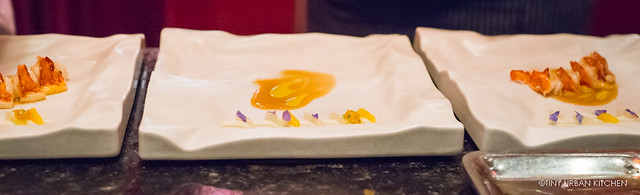
It's hard to take notes for this meal, as things happen so quickly you might miss something if you're head is buried in your notebook or phone. For example, during the preparation of the next course, Lobster with Citrus & Jasmine, the chefs draw a little "é" into the sauce of each plate (see middle picture above).

It is only there for a fleeting second, and soon a succulent piece of lobster tail is laid over the pretty letter that was just carefully drawn moments before.
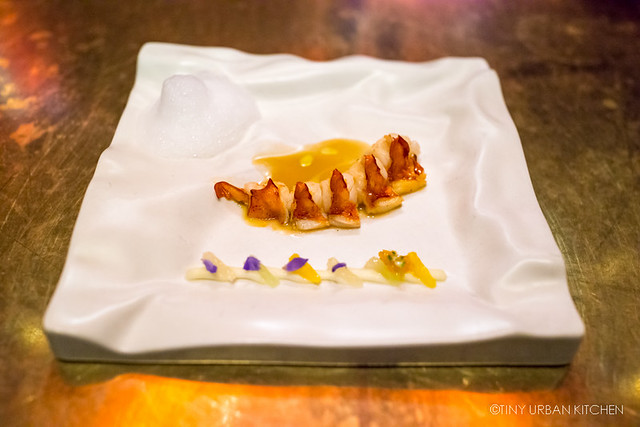
Lobster with jasmine foam
This juicy piece of lobster tail is served with jasmine foam and tiny bits of  fruit. The dish is paired with either a Spanish beer or a sparkling white wine (depending on whether guests opt for the normal pairing or grand pairing).
chick pea soup
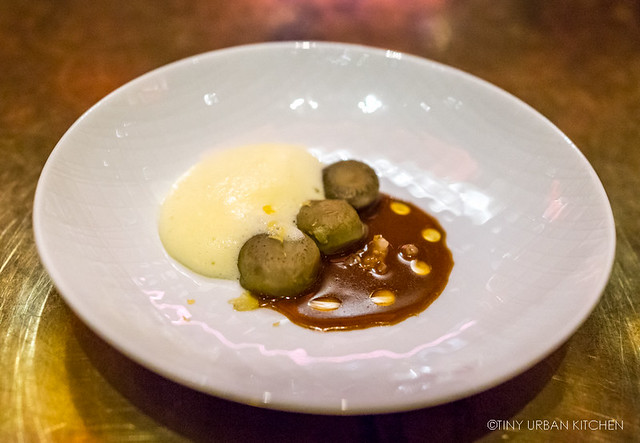
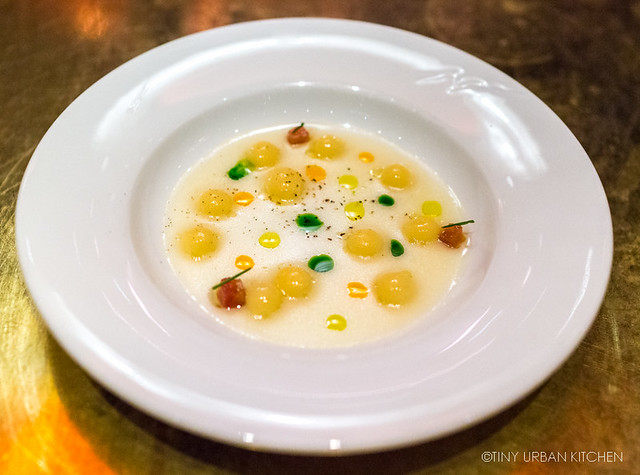
The next dish is one of my favorites of the entire meal. Chickpea Stew with Iberico Ham may sound simple, but the actual preparation that goes into this soup is astounding. Jamon iberico fat is first clarified and then emulsified together with three different stocks made with different types of bones. The "chickpeas" that you see in the photo are actually spherified balls with an intense, creamy essence that is much more than just chick pea. Finally, little bits of actual jamon iberico "bacon" dot the plate, rounding out the wonderful tastes and textures of this complex soup.

We were scraping the bottom of the bowl, trying to get every last drop of this flavorful elixir into our mouths.
turbot with bone marrow tater tots
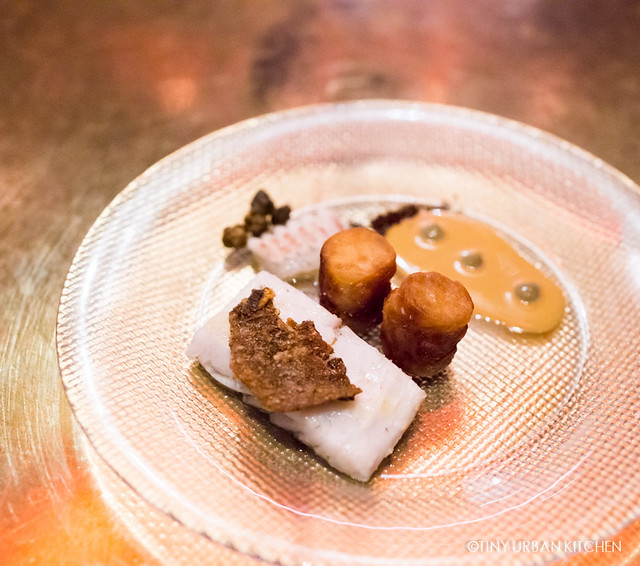
Bryan loves bone marrow, and therefore loves the next course, Turbot with Bone Marrow. The simply prepared turbot (probably prepared sous vide) is topped with its skin fried and served with deep fried capers. Bryan loves the breaded and deep fried bone marrow "tater tots" served on the side. I personally find it to be way to rich and fatty, but Bryan loves it.
salt encrusted fois gras
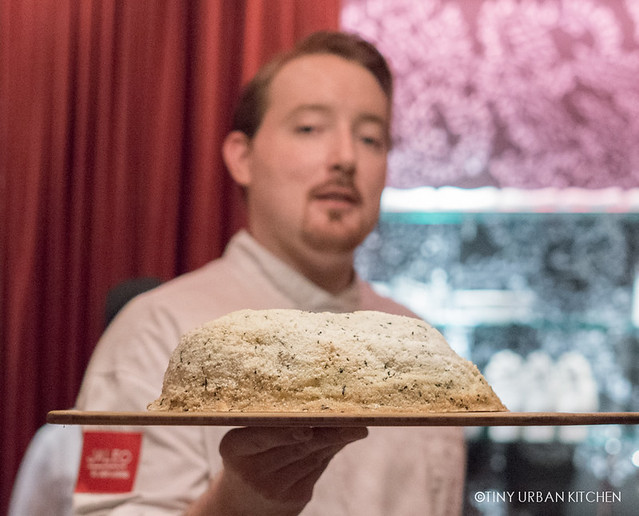
Chef Cody then brings out an entire lobe of foie gras covered in salt and herbs, appropriately named Whole Lobe of Foie Gras Baked in Salt.
salt encrusted foie gras
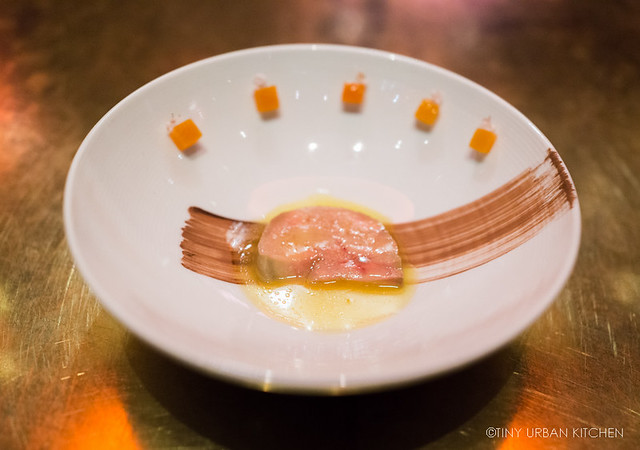
It is served with tiny cubes of confit grapefruit, a paint-stroke of chocolate, and a light, clementine soup. The balance of the slightly salty foie gras and the sweetness from the other components works quite well.
jamon iberico shoulder secreto
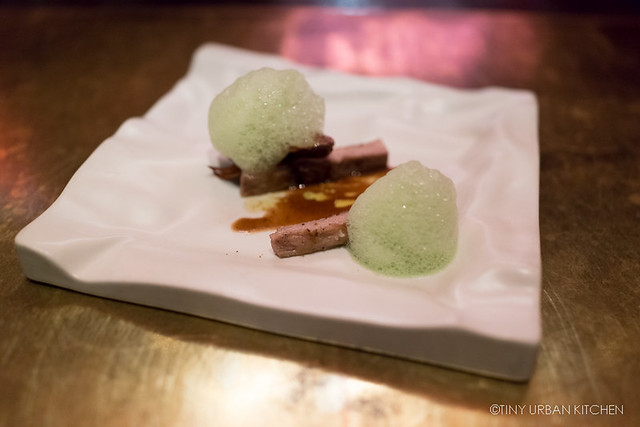
Chef Cody explains to us the meaning behind the next dish, Secreto of Iberico Pork with Squid. The "secreto" is a particular "secret" part of the pig that butchers used to love keeping for themselves because it was so tasty.
jamon iberico shoulder secreto This lovely piece of jamon iberico shoulder secreto is served with a squid jus sauce, made from squid a la plancha (on the grill).

Finally, it's time for dessert. We are quite stuffed at this point, and hardly realize there is still so much more to come . . . .cheese and chocolate caramel
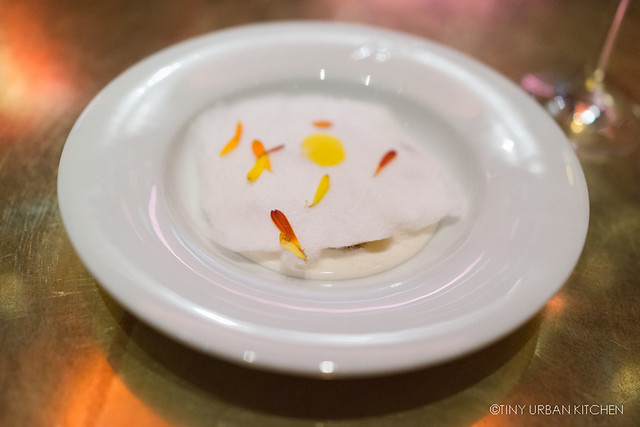
Orange Pith Puree La Serena is almost like a transitional cheese course, savory and sweet at the same time. La Serena is a 60-day aged Spanish raw sheep's milk cheese, strong, creamy and salty. It is topped with a fun, flat foamy sheet and whimsical flowers.
_DSC0454
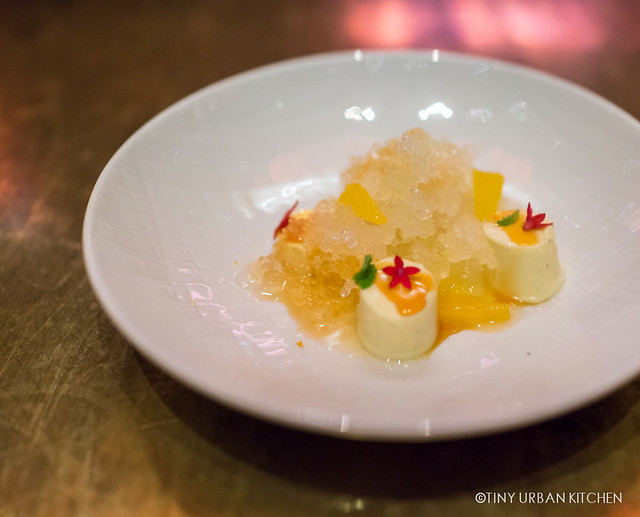
Flan is a traditional Spanish custard. Here, we enjoy tiny little cups of flan alongside crushed fruity ice.
rum coffee
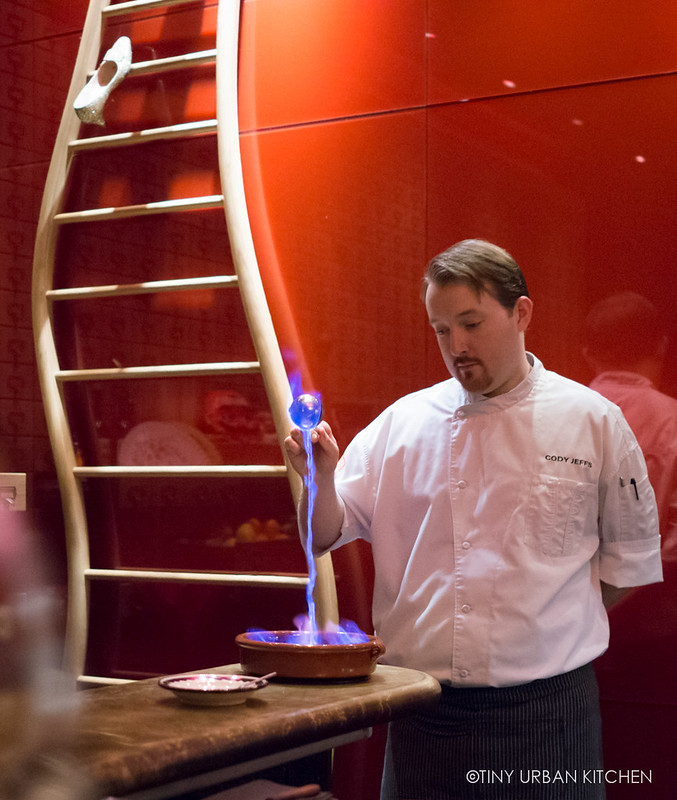
The dramatic show continues as Chef Cody begins to cook  "pirate-spiced" rum (lemon zest, vanilla, and cinnamon) and coffee together with this electrifying blue flame.

It's almost hypnotizing to watch the blue flame as Chef Cody repeatedly raises and lowers his spoon.
olive oil, chocolate, caramel
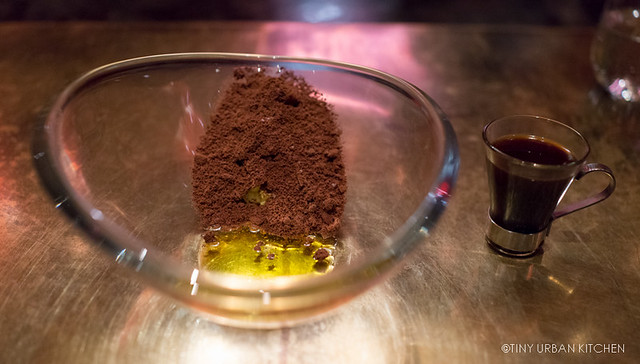
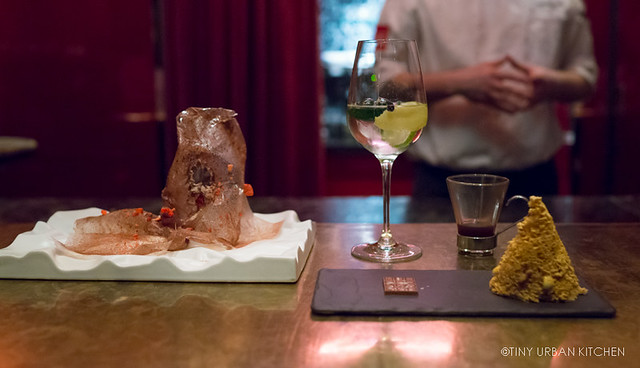
The resultant coffee rum drink is served in a tiny espresso glass alongside Pan Con Chocolate, literally "bread with chocolate". Here, bread baked in simple syrup is covered with a chocolate powder which tastes like shaved frozen chocolate mousse served with saffron olive oil. The flavor combination works surprisingly well.
_DSC0462
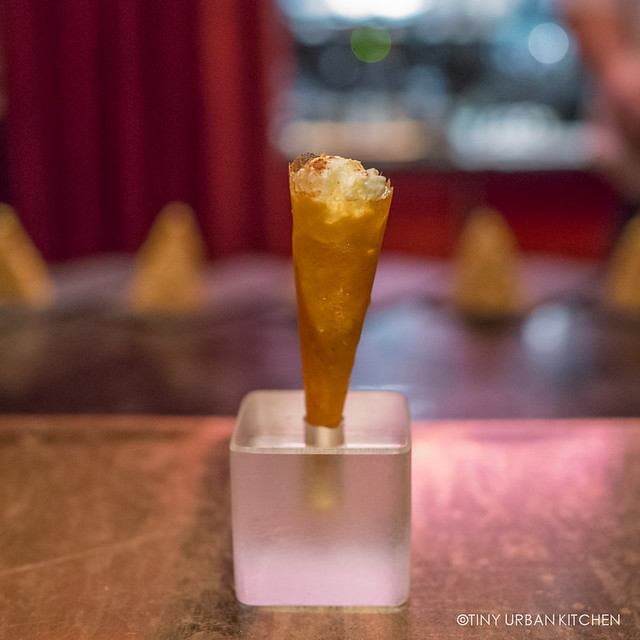
"Arroz Con Leche", a traditional Spanish tapioca pudding, comes inside a tiny candied cone as a single, delicious bite.
almond 25 second cake
And the desserts keep coming!

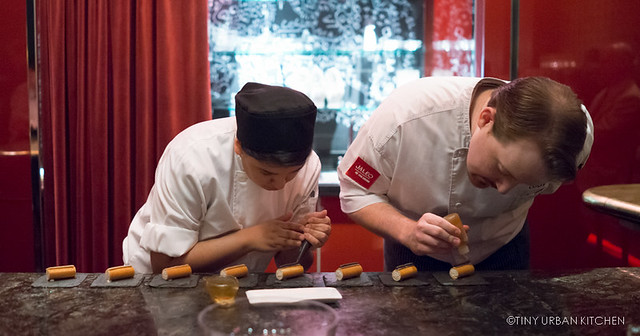
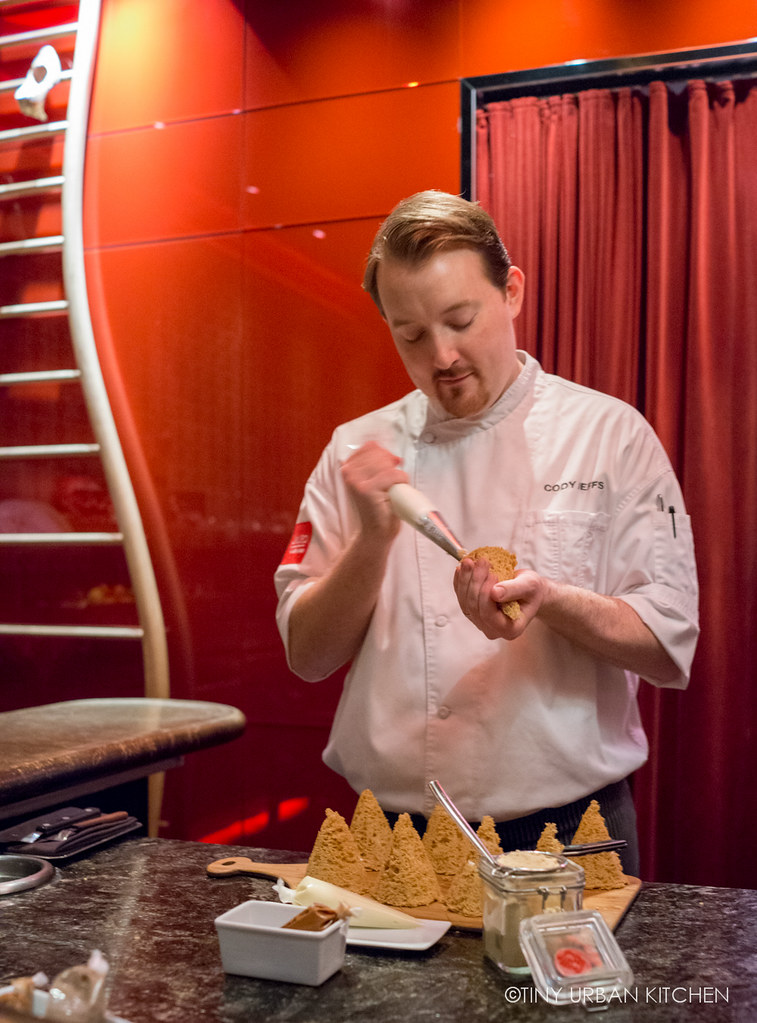
Chef Cody begins to make "25 second Bizcocho", an almond cone-shaped cake that is "baked" in the microwave for 25 seconds.
_DSC0471
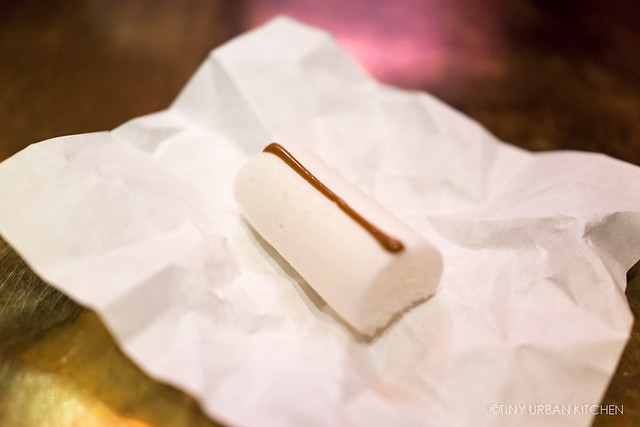
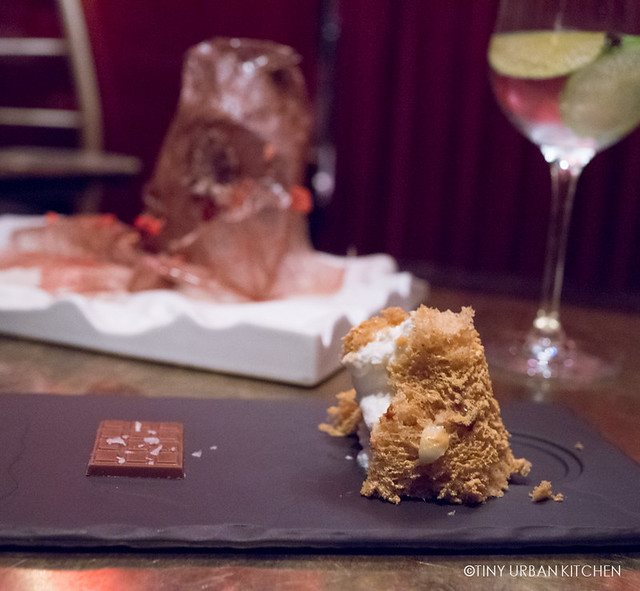
The cake is moist, not too sweet, and filled with a light cream. This is served with "Air" Chocolate, a fantastic bite of salt-topped chocolate with air holes all throughout the inside. It sort of reminds me of the British chocolate called "Aero."
_DSC0468
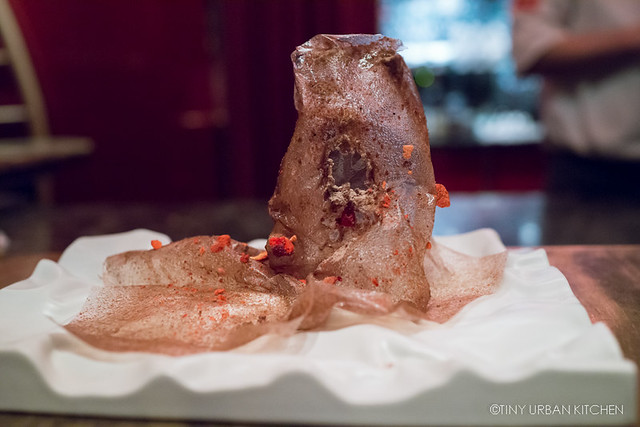
And finally, a delightfully fun final dessert that is visually huge, but takes up virtually no stomach space. The Cocoa Paper with Dried Strawberry is extremely delicate. I believe it's made mainly from sugar, but this paper-thin sculpture crumbles and quickly disintegrates in your mouth as you eat it.

I love it, and finish my entire piece.
_DSC0467
We finish this off with José Andrés's signature drink - his awesome gin and tonic. I first had this drink at Jaleo in Washington DC. It's there that I realized that I love gin & tonic. Andrés's version uses Hendrick's gin, Fever Tree tonic, kaffir lime, lemon, and juniper.

It's a perfect, refreshing way to end the evening.
_DSC0478
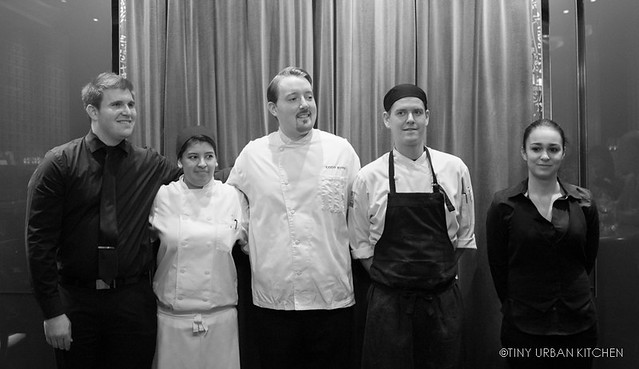
As you would expect at the end of any show, the "characters" come out for a bow as we applaud their hard work.
_DSC0493
It is only about 8:05PM, plenty of time before the next show. Most guests leave, but we hang around a bit, savoring the space, chatting with the staff.
_DSC0492
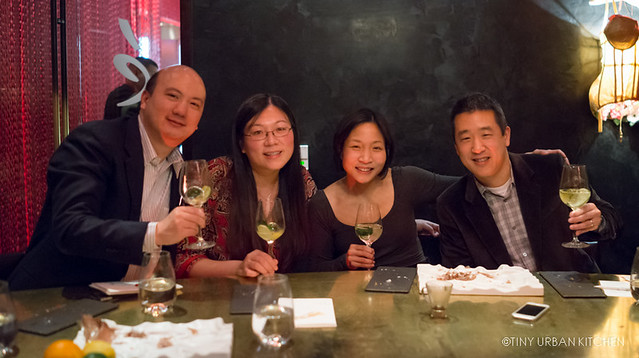
I've got a huge smile on my face, because I've had so much fun the entire evening.

The food was absolutely phenomenal. I loved José Andrés's creative intepretations of traditional Spanish classics. Even though he does some similar dishes at Samm in Los Angeles, I much prefer this meal over that one, possibly because I didn't like the French-inspired dishes as much at Samm.

This could very well become one of my favorite meals I've ever had in Las Vegas.

Seriously, it's up there with Joel Robuchon and L'Atelier.

I like it when I'm surprised by new and innovative flavor combinations, and é does not disappoint. Even though José Andrés says it's more Spanish and more conservative, I still find it to be refreshingly different from the traditional French-inspired tasting menus that you typically find. Plus, his use and command of molecular gastronomy still sets his food apart from most high-end meals around.

Of course, it's also possible I just like the bold flavors of Spanish cuisine more.
_DSC0397
Whatever the reason, I had a wonderfully memorable time at é and I would highly recommend trying to get a reservation if you can. It's become one of my favorite meals in Vegas, and I can't wait to try it again when I return. I know they change the menu quarterly, so you can go back and (hopefully) try a  range of a totally new set of surprising flavors.

The Details
Reservations are only done by emailing reserve@ebyjoseandres.com up to three months before your date of dining. If they indicate availability, you must fill out and sign a form (more like a contract, really) where you give them your credit card number and agree to a few terms. Any cancellation made less than 14 days before dining date results in a 50% cancellation fee. A no-show results in a 100% cancellation fee.

The tasting menu is $195 and does not include alcohol or gratuity. There are two pairings: the standard pairing costs $130 and the premium pairing costs $300 (see below for both full lists). You can also order off of the extensive wine list (given to you in the form of a tablet!), which is shared with Jaleo.

Definitely put your name on the waiting list, as cancellations do happen. I called less than two weeks before my dinner and was  able to secure seats for four due to a cancellation that happened a few days later.
_DSC0480
Cheers!

Want to read more Vegas posts? Check out the Las Vegas Eating Guide which includes links to all Las Vegas area restaurant posts I've written.

WINE PAIRINGS
Standard Pairing
2008 Agusti Torello Mata Reserva Cava 
La Gitana “En Rama” Jerez; Hidalgo, Manzanilla (Sherry)
Alvear “Carlos VII” Amontillado; Montilla-Morales (Sherry)
Estrella Damm Inedit (Beer)
2002 R. Lopez De Heredia “Vina Gravonia”; Rioja (Crianza Blanco)
East India Solera Jerez NV; E. Lustau (Sherry)
2000 Alejandro Fernandez “Dehesa La Granja”; Zamora (Tempranillo)
2008 Jorge Ordonez & Co. “Victoria”; Malaga (Moscatel)
2004 Gunderloch Nackenheim Rothenberg Trockenbeerenauslese; (Riesling)
Ron Cremant (Warm rum and coffee cocktail)
Jose’s Gin & Tonic

Premium Pairing
Krug Grand Cuvee Brut NV; Reims
 Pasada Pastrana Jerez; Hidalgo, Manzanilla (Sherry)
Bodegas Tradicion V.O.R.S. Jerez; Oloroso (Sherry)
2009 Txomin Etxaniz Txakoli; Getariao Txakolina
2000 R. Lopez De Heredia “Vina Tondonia” Gran Reserva; Rioja (Rosé)
East India Solera Jerez NV; E. Lustau (Sherry) 
2003 Vega-Sicilia Valbuena 5° Año; Ribera del Duero
2004 Gunderloch Nackenheim Rothenberg Trockenbeerenauslese; (Riesling)
Ron Cremant (Warm rum and coffee cocktail)
Jose’s Gin & Tonic

e by Jose Andres
The Cosmopolitan (inside Jaleo)
3708 Las Vegas Blvd
S Las Vegas, NV 89109
é by Jose Andres on Urbanspoon